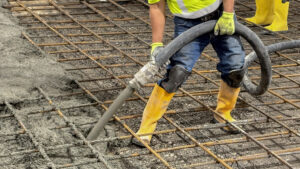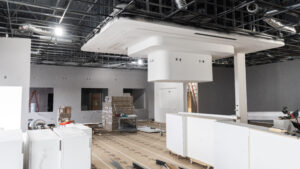

As a facilities manager, understanding commercial concrete is essential to maintaining your property’s structural integrity, safety, and long-term value. Whether you’re overseeing warehouses, office buildings, retail centers, or industrial facilities, commercial concrete forms the foundation of your property—literally and figuratively. This comprehensive guide will help you make informed decisions about installation, maintenance, and repair of concrete throughout your facility.
Understanding the Basics
Commercial concrete differs significantly from residential applications in terms of strength requirements, durability standards, and performance expectations. The commercial concrete used in your facilities must withstand heavier loads from equipment, constant traffic, chemical exposure, and environmental stresses that would quickly deteriorate lesser-quality materials. Mix designs are specifically engineered based on your facility’s use, with considerations for compressive strength (typically 3,000-5,000 PSI or higher), freeze-thaw resistance, and specialized additives for enhanced performance.
Common Applications Throughout Your Facility
Your facility likely contains commercial concrete in multiple critical areas. Foundation systems and structural slabs support your entire building and require the highest quality standards. Loading docks and drive lanes endure constant heavy vehicle traffic and impact. Warehouse floors must provide a smooth, level surface capable of supporting racking systems and material handling equipment. Parking structures face unique challenges including vehicle loads, de-icing salt exposure, and drainage requirements. Sidewalks, curbs, and exterior hardscaping create safe pedestrian access while managing stormwater. Understanding where commercial concrete serves critical functions helps you prioritize inspection and maintenance efforts.
Warning Signs That Require Attention
Proactive facilities managers watch for warning signs that commercial concrete requires repair or maintenance. Surface cracks, even small ones, can allow water infiltration that leads to more serious structural issues. Spalling occurs when the concrete surface flakes or chips away, often indicating freeze-thaw damage or corrosion of embedded reinforcement. Uneven settlement creates trip hazards and drainage problems. Scaling leaves a rough, pitted surface texture. Efflorescence appears as white, powdery deposits on the surface, suggesting moisture movement through the concrete. Addressing these issues early prevents minor problems from becoming major capital expenditures.
Maintenance Best Practices for Maximum Longevity
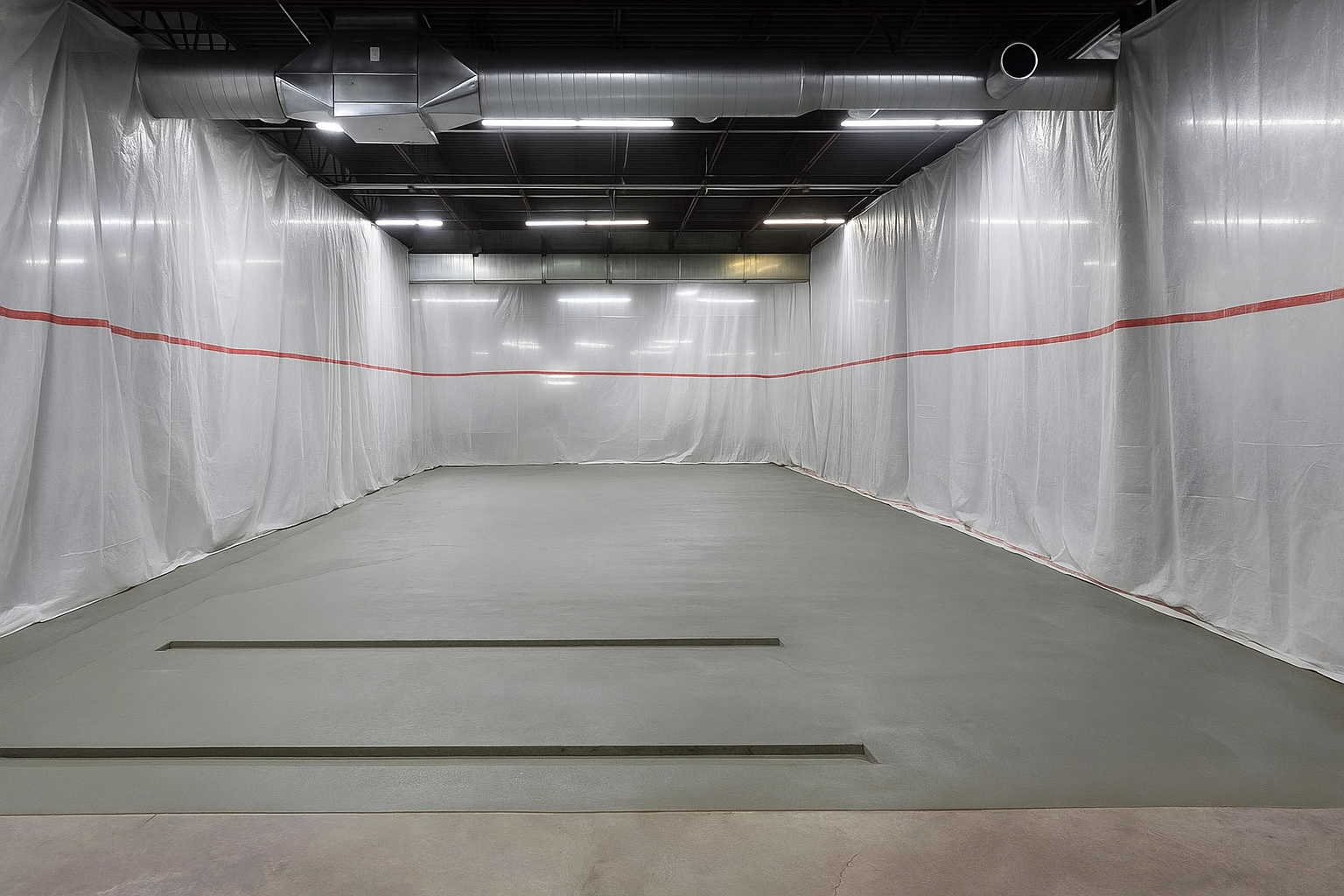
Proper maintenance extends the service life of commercial concrete and protects your capital investment. Regular cleaning removes debris, chemicals, and contaminants that can deteriorate the surface. Seal coating creates a protective barrier against moisture, chemicals, and freeze-thaw cycles—especially important for exterior commercial concrete and high-traffic areas. Joint sealing prevents water infiltration and maintains structural integrity. Prompt repair of cracks and damage prevents progressive deterioration. Snow and ice management practices should avoid excessive de-icing chemicals that accelerate concrete degradation.
Planning Replacement and Upgrades
Eventually, even well-maintained commercial concrete reaches the end of its service life. When planning replacement projects, work with experienced commercial concrete contractors who understand the complexities of occupied facilities. Phasing allows you to maintain operations during construction. Consider upgraded mix designs that address previous performance issues. Modern concrete technologies offer enhanced durability, faster cure times, and specialized properties like chemical resistance or decorative finishes. Budget for proper subgrade preparation and moisture mitigation, as these factors critically impact long-term performance.
Selecting the Right Commercial Concrete Contractor
Your choice of contractor significantly impacts project outcomes. Look for commercial concrete specialists with documented experience in facilities similar to yours. Ask about their quality control processes and material sourcing. Understand their approach to minimizing operational disruption. Request references from other facilities managers. A quality contractor will conduct a thorough site assessment, provide detailed specifications, and communicate clearly throughout the project.
Working with Randahl Construction
At Randahl Construction, we understand the unique challenges facilities managers face with commercial concrete. Our team has extensive experience working in occupied facilities, minimizing disruption while delivering quality results. We provide honest assessments, clear communication, and commercial concrete solutions designed for long-term performance. Whether you’re dealing with routine maintenance, emergency repairs, or major replacement projects, we’re here to help you protect your facility investment and maintain safe, functional spaces.
Commercial concrete represents a significant portion of your facility’s infrastructure. By understanding its properties, maintaining it properly, and working with experienced professionals, you can maximize its performance and lifespan while controlling costs.