
As we enter 2026, the commercial remodeling landscape is evolving rapidly. At Randahl Construction, we’re working with facilities managers, business owners, and other professionals across the Twin Cities who are navigating significant shifts in how commercial spaces are designed and used.
Understanding these commercial remodeling trends will help you make smarter investment decisions for your properties this year and into 2026.
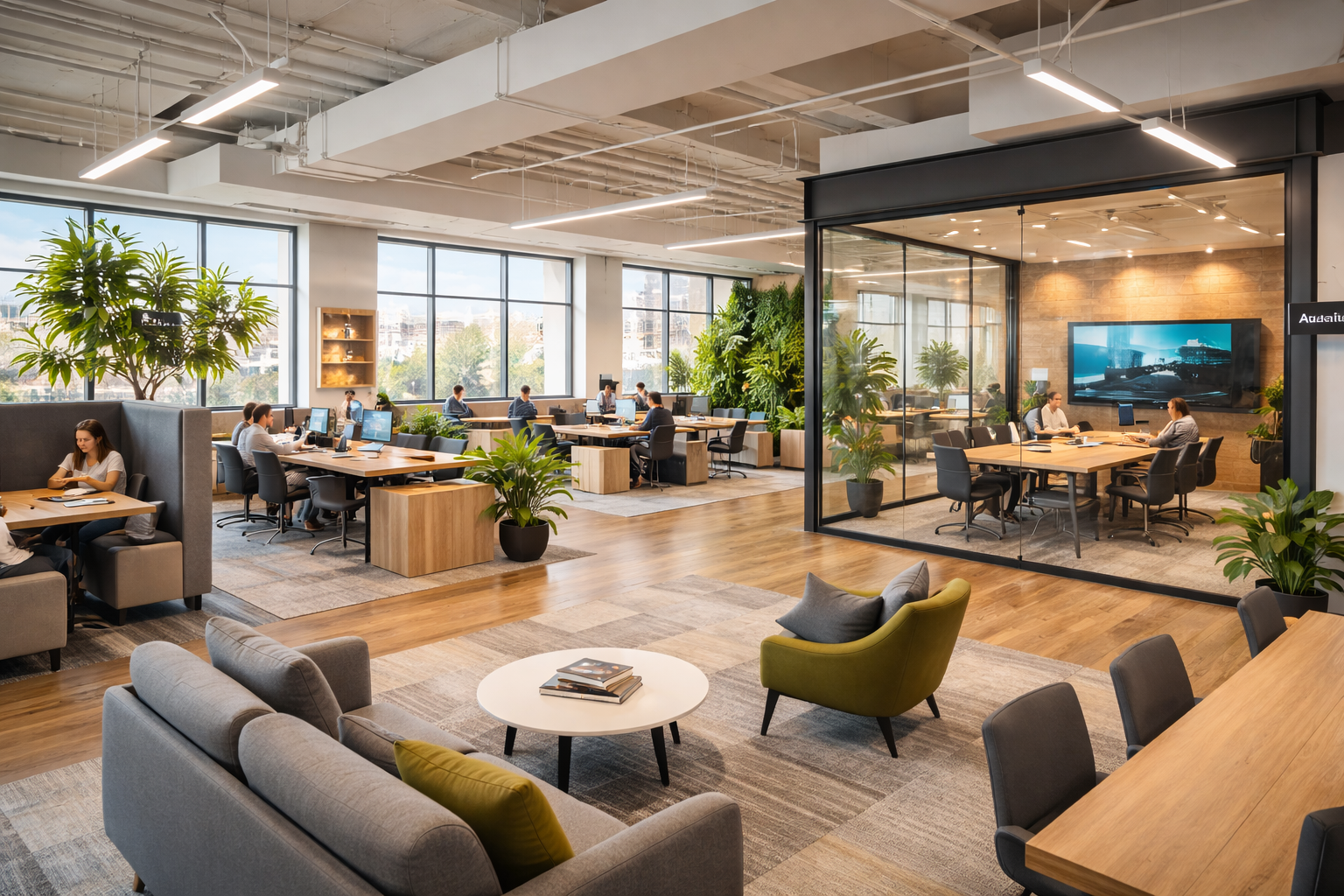
1. The Hybrid Work Revolution Continues
Hybrid work has shifted from an experiment to an expectation, with office utilization stabilizing at 55-65% of pre-2020 levels according to Commercial Search. Offices are being divided into zones with casual meeting corners, lounge-style seating areas, and collaborative nooks that resemble hotel lobbies more than traditional offices. This is happening not only in Minnesota, but across the world.
Key features include:
- Flexible meeting spaces that adapt to different team sizes
- Technology-enabled collaboration zones
- Reduced dedicated desks, more shared amenities
2. Sustainability Is Standard
Commercial renovations in 2026 center on sustainability, flexibility, and technology, with eco-friendly upgrades becoming standard. Your tenants expect it, and building codes increasingly require it. Owners are also recognizing that sustainable improvements directly impact long-term asset value and tenant retention.
Popular upgrades include energy-efficient lighting, improved HVAC systems, and sustainable materials—many of which also reduce operating costs, improve indoor air quality, and help buildings remain competitive in an increasingly performance-driven commercial real estate market.
3. Wellness-Focused Design
Wellness-oriented designs promote health and productivity, with popular improvements including natural lighting, enhanced air quality systems, ergonomic workstations, and biophilic elements such as indoor plants and nature-inspired aesthetics. These features contribute to reduced absenteeism, improved focus, and higher employee satisfaction.
If you want people to choose your building over working from home, wellness features are essential, helping create spaces that feel comfortable, energizing, and intentionally designed to support daily collaboration and long-term well-being.
4. Smart Building Technology
In offices and shops, expect more AV conferencing gear, room-booking screens, and secure remote networks to support hybrid work, with IoT sensors monitoring space usage and saving energy.
Increasingly, AI-powered platforms are analyzing this data in real time to predict occupancy patterns, automate room scheduling, fine-tune HVAC and lighting systems, and support preventative maintenance.
These systems provide actionable insights that help organizations optimize space utilization, improve employee experience, reduce operating costs, and create more responsive, future-ready work environments.
5. Warmer, Human-Centered Aesthetics
Designers are warming up their palettes with 3000K soft lighting to create spaces that feel inviting, comfortable, and human, focusing on atmosphere, not austerity. This lighting approach supports relaxation and collaboration while reducing visual fatigue.
We’re seeing a shift from cold grays to warm neutrals, natural woods, and layered textures that create comfort, add depth, and help commercial interiors feel more residential and approachable.
6. Twin Cities Market Update
In Minneapolis, construction costs rose 1.4% in the third quarter of 2025 and 6.7% over the last twelve months according to Mortenson, but Minneapolis and other upper Midwest markets reported a gradual improvement in project awards and a more optimistic outlook.
Contractor availability is improving—making now a good time to plan your 2026 projects.
7. Strategic Over Complete
Instead of full-scale renovations, 2026 trends favour targeted refurbishments that improve both function and aesthetics.
High-impact areas:
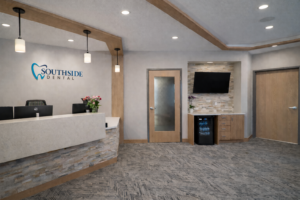
- Lobby and entrance upgrades
- Common area improvements
- Technology infrastructure
- Air quality enhancements
What This Means for You As a Twin Cities Facilities Manager or Business Owner
These commercial remodeling trends aren’t just about aesthetics—they’re about staying competitive. Buildings that embrace flexibility, sustainability, and human-centered design attract and retain better tenants.
Ready to discuss how these trends apply to your facility? Randahl Construction specializes in commercial remodeling throughout the Twin Cities. Contact us for a free consultation.