
Commercial Concrete Chiller Pads
Expert Commercial Concrete Chiller Pad Installation
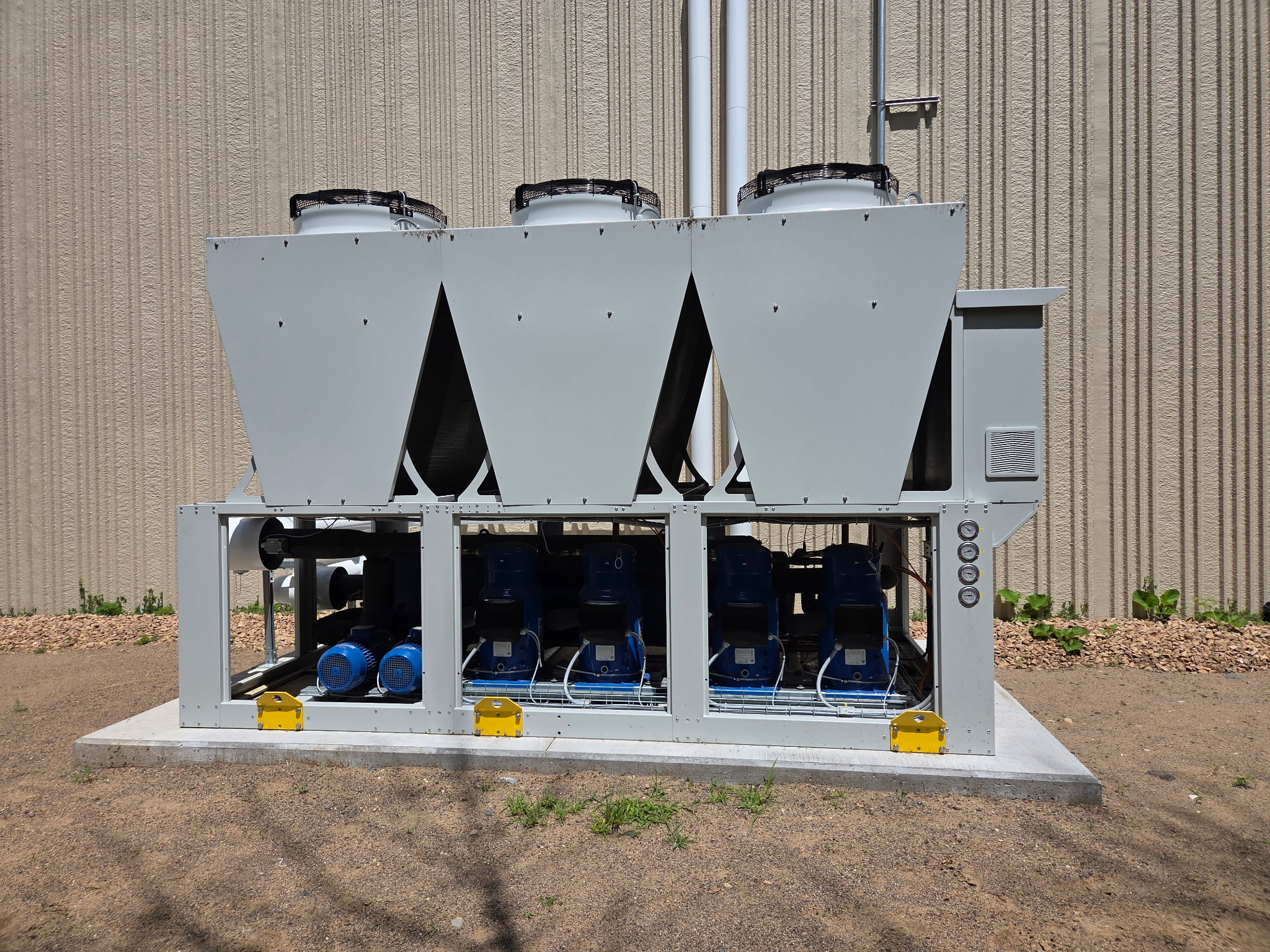
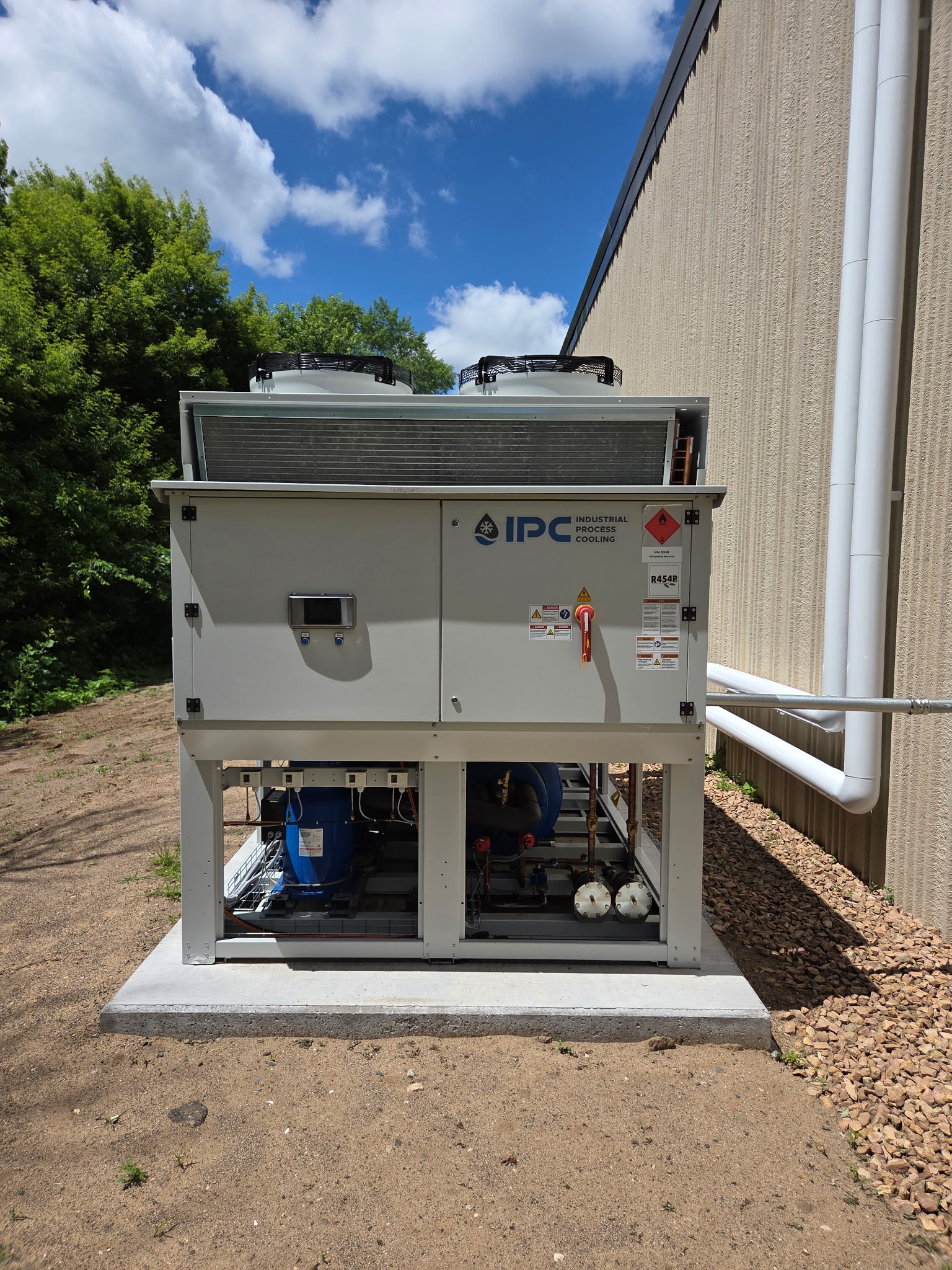
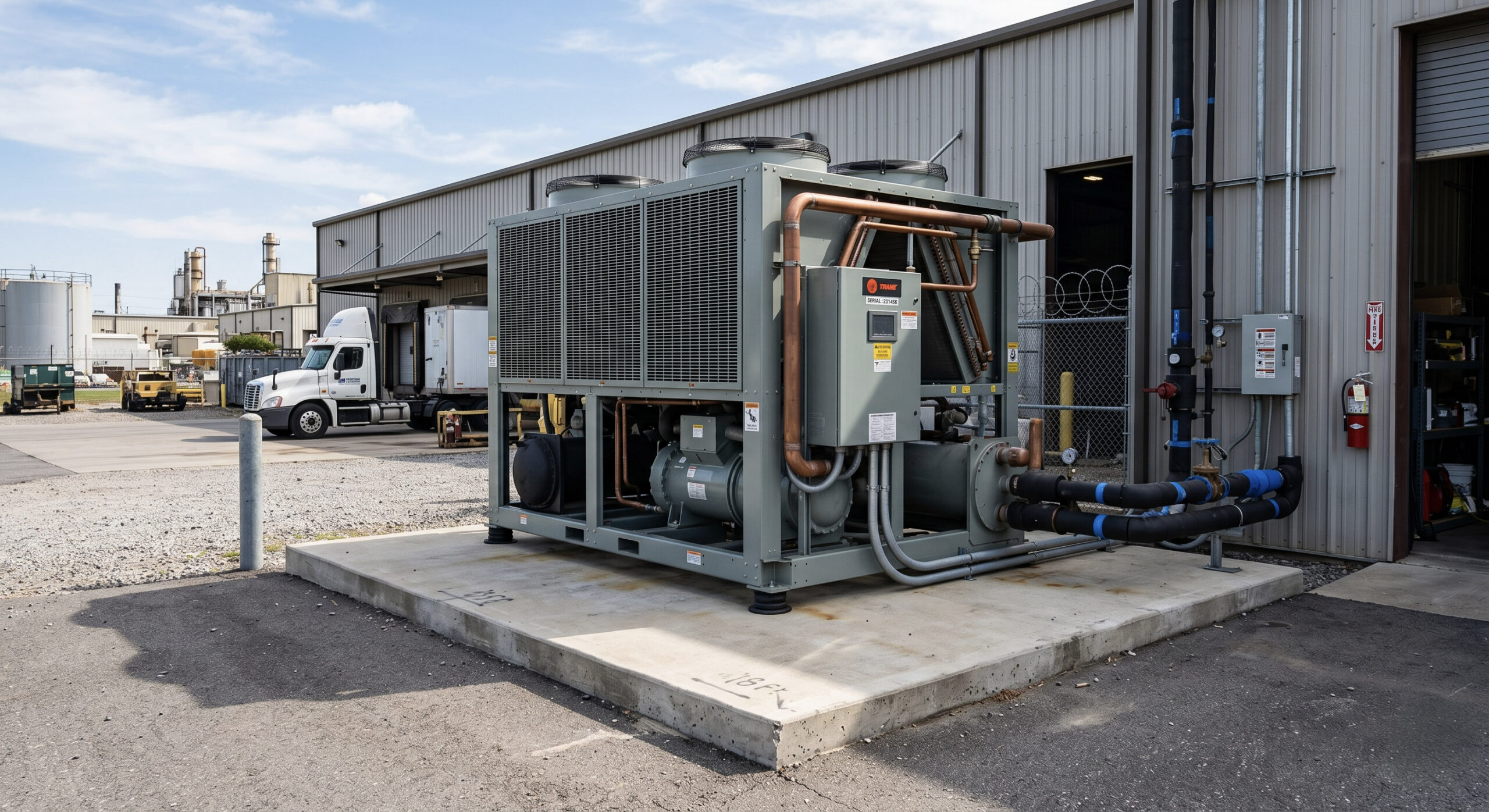
Randahl Construction installs commercial concrete chiller pads built to carry the weight, vibration, and round-the-clock demands of rooftop and ground-mounted HVAC equipment. Across the Twin Cities, facility managers, general contractors, and mechanical engineers rely on our crews to pour level, code-compliant chiller pads that hold up through Minnesota’s freeze-thaw cycles and decades of equipment turnover. From single-unit pads outside a retail building to multi-pad layouts supporting an industrial chiller bank, we engineer every pour to your equipment manufacturer’s specifications and your site’s load requirements.
What Is a Commercial Concrete Chiller Pad?
A concrete chiller pad is a reinforced, engineered concrete slab built specifically to support HVAC chillers, condensing units, and related mechanical equipment. Unlike a standard slab, a chiller pad has to account for vibration dampening, equipment anchor points, drainage away from the unit, and a load rating that matches the chiller’s operating weight — not just its static weight. Get this wrong and you risk slab cracking, equipment misalignment, or costly downtime. Get it right, and the pad will outlast the equipment sitting on it.
Why Twin Cities Businesses Choose Randahl for Chiller Pad Installation
Minnesota’s climate is hard on concrete. Our team pours every chiller pad with the right mix design, rebar layout, and finish tolerances to resist cracking and heaving through repeated freeze-thaw cycles. We size and reinforce each pad to match your specific chiller’s weight, footprint, and vibration profile — whether that’s a single packaged rooftop unit or a multi-ton industrial chiller. We’ve poured pads for manufacturing plants, distribution centers, hospitals, breweries, and office campuses throughout the metro, so we know what inspectors, mechanical contractors, and equipment vendors expect from the slab before the unit ever shows up. Need the pad finished before equipment delivery? We build our schedule around your installation timeline, not the other way around.
Our Chiller Pad Installation Process

Site Prep and Layout
Excavate, grade, and compact to your equipment's footprint and elevation specs.
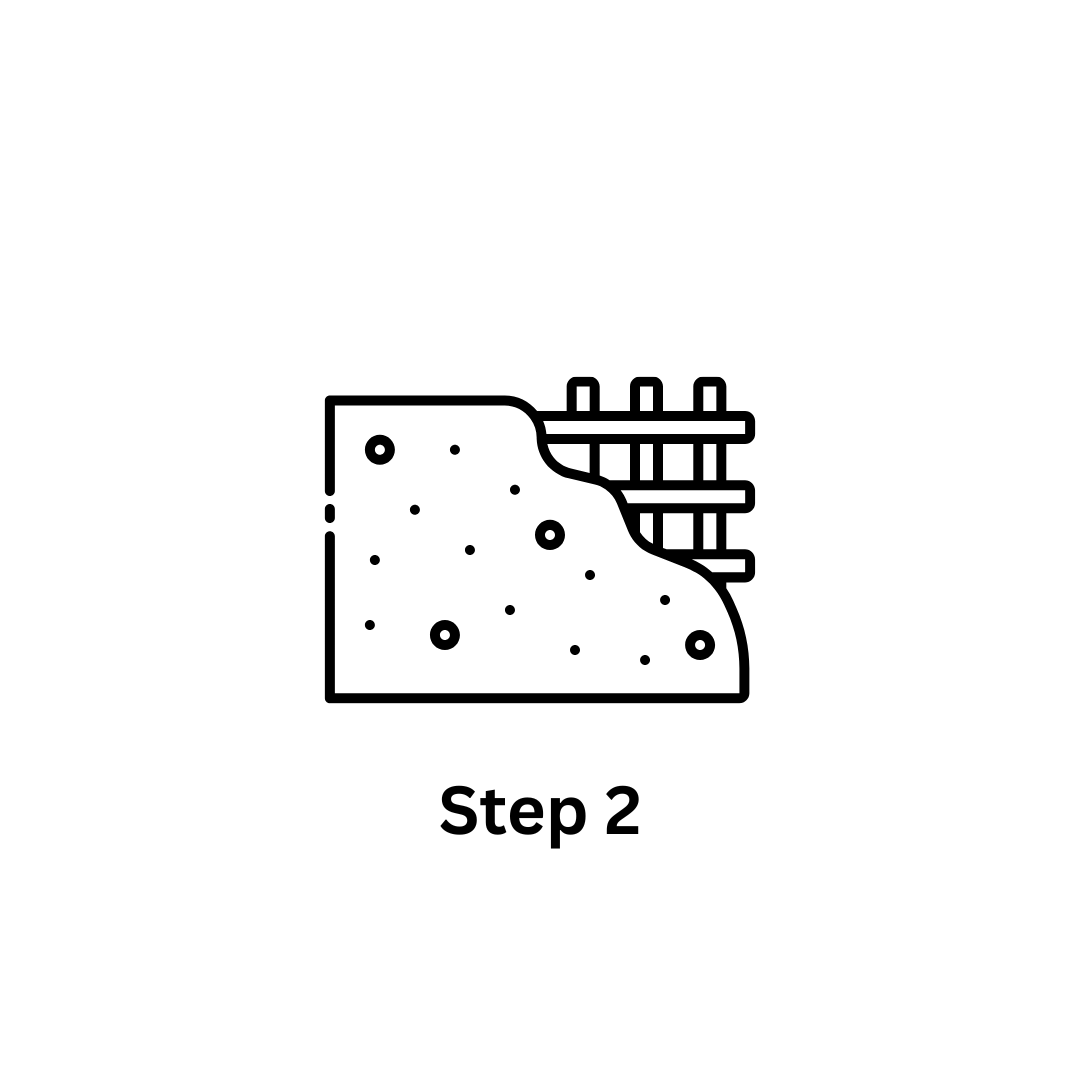
Forming & Rebar
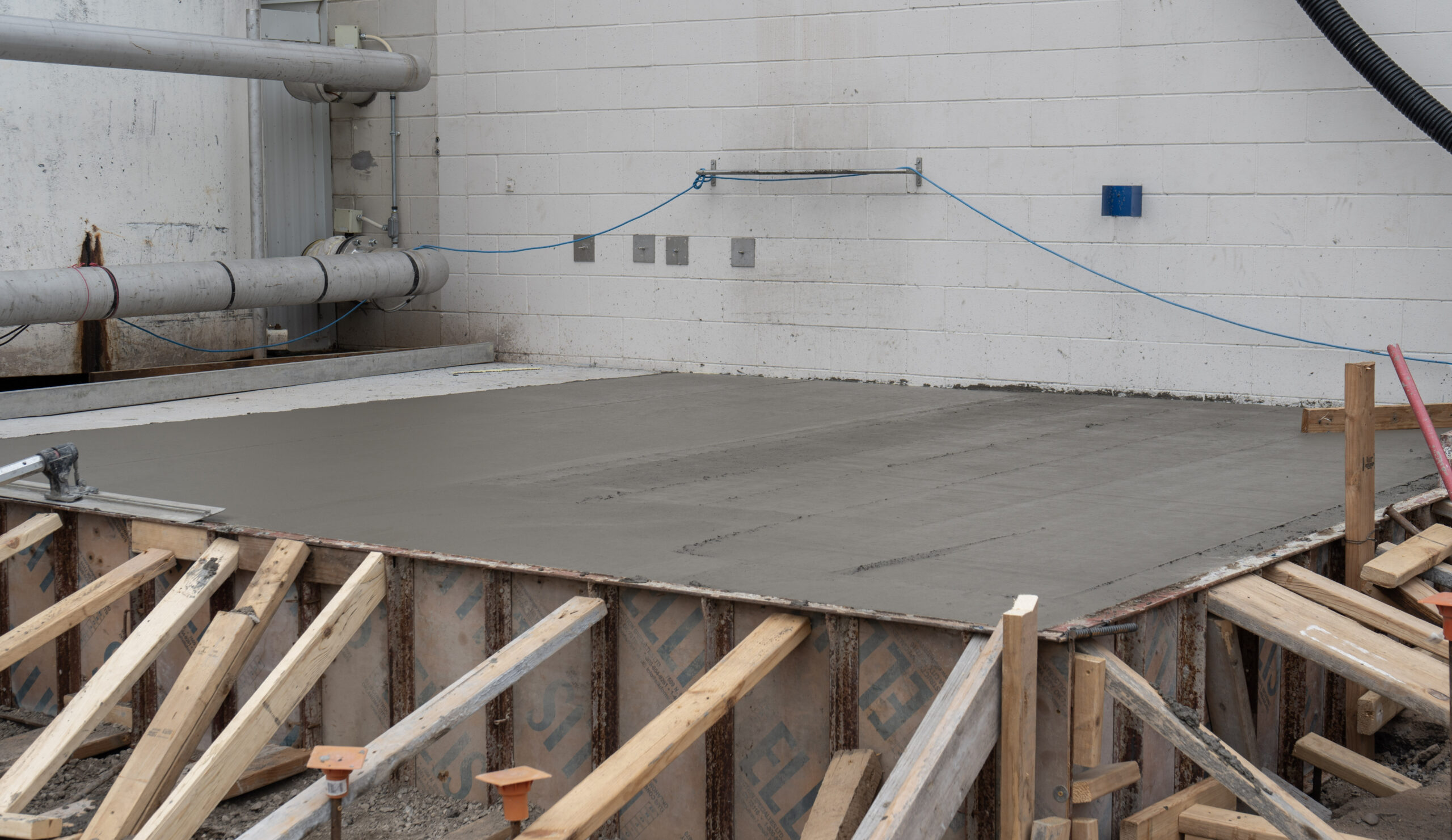
Set forms, steel, and anchor bolts to match your chiller's mounting pattern.
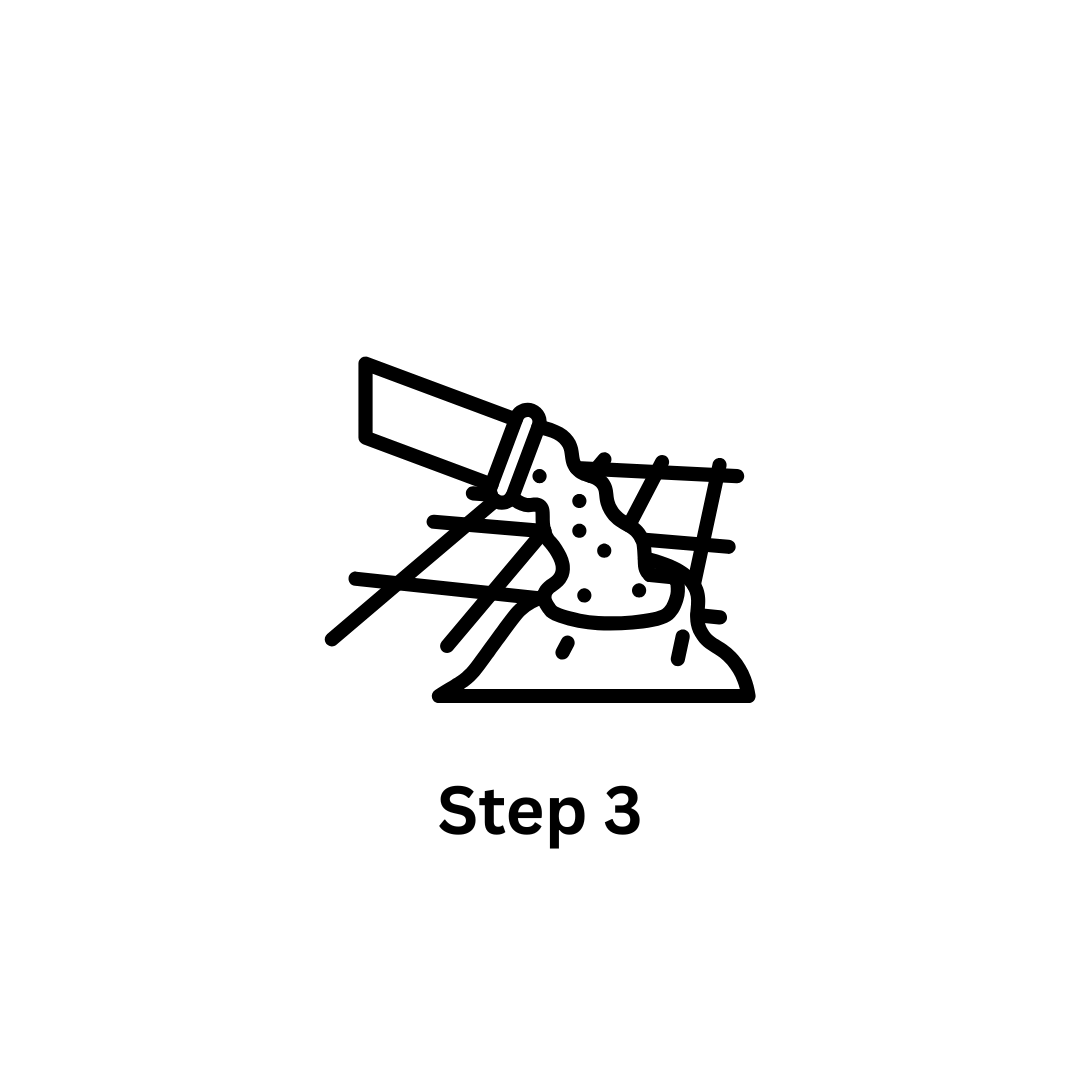
Pour & Finish
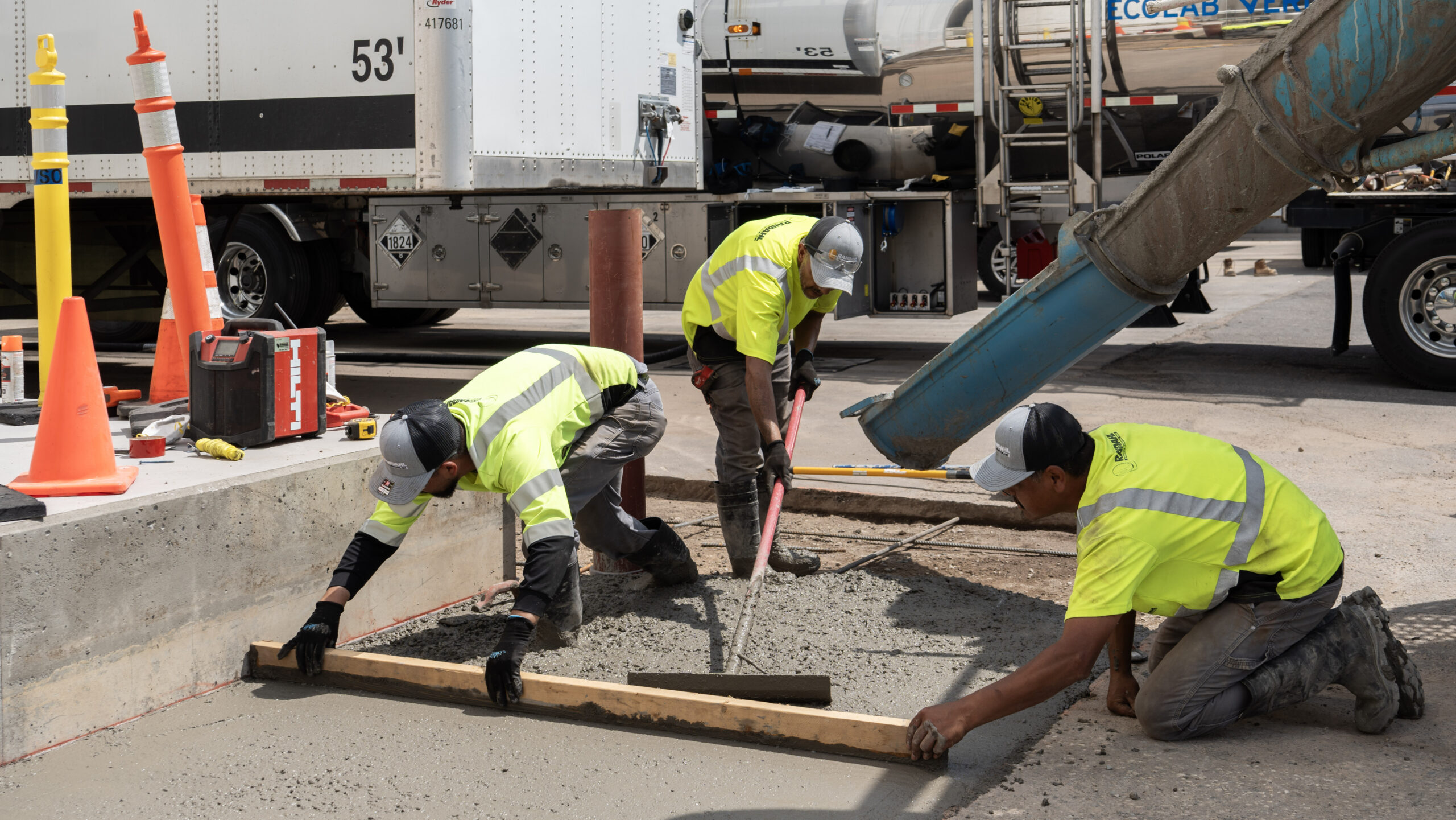
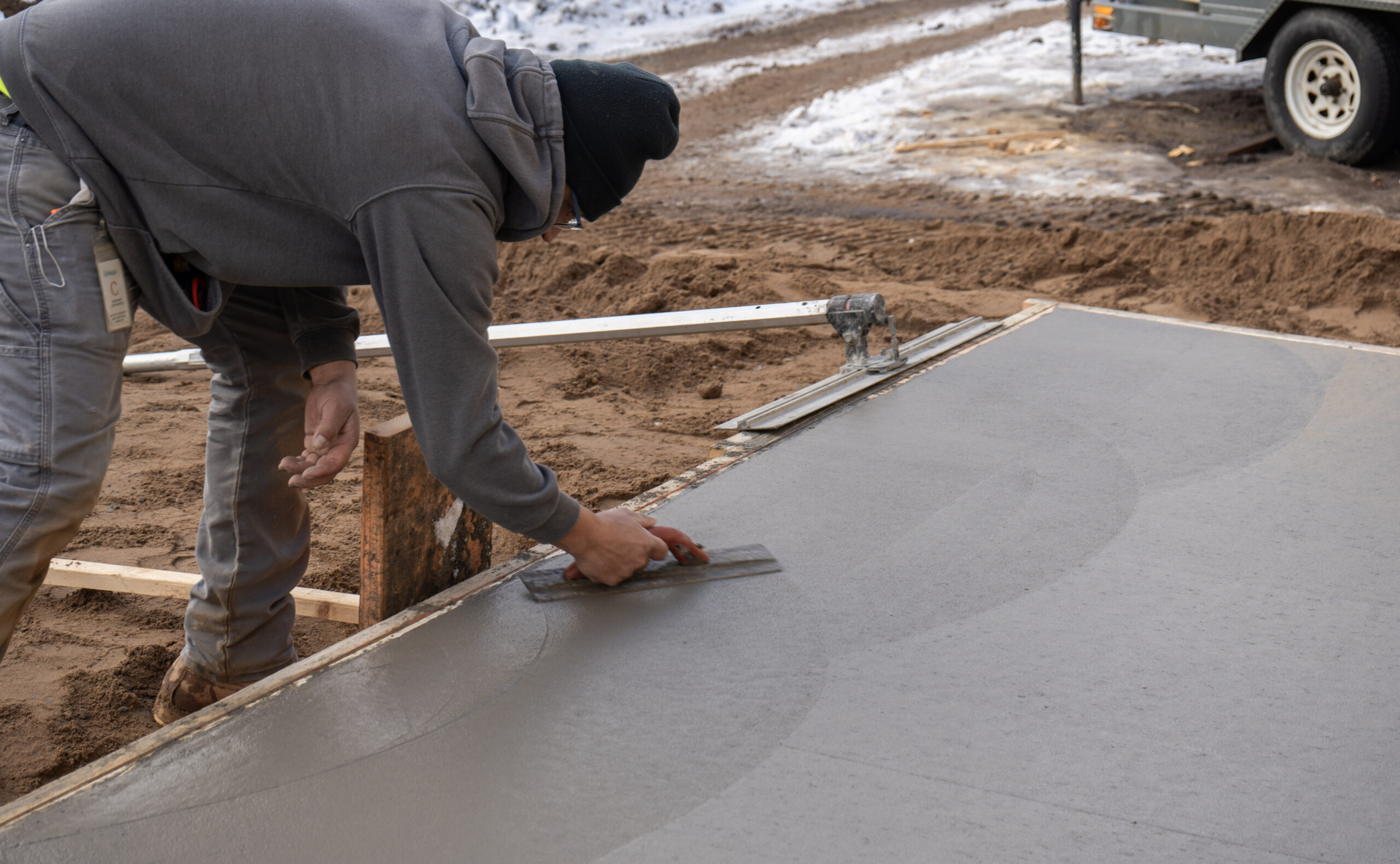
Pour concrete, trowel and seal to spec.

Cure & Quality Check
Saw-cut joints, and clean up
Frequently Asked Questions
1. What is a commercial concrete chiller pad?
A commercial concrete chiller pad is a reinforced concrete foundation designed to support the weight and operational demands of commercial or industrial chiller systems. Chiller pads provide a stable, level base that helps distribute equipment loads, minimize movement, and support the long-term performance of HVAC systems used in office buildings, manufacturing facilities, healthcare campuses, data centers, schools, and other commercial properties.
2. Why are reinforced concrete chiller pads important?
Commercial chillers are heavy mechanical systems that require a properly engineered foundation to support their weight and operating conditions. Reinforced concrete chiller pads help maintain equipment stability, reduce settlement, support anchor points, and provide long-term durability under continuous operation and environmental exposure.

3. What types of facilities commonly require commercial chiller pads?
Commercial concrete chiller pads are commonly installed for:
- Office buildings
- Manufacturing facilities
- Warehouses
- Hospitals and healthcare facilities
- Medical and dental clinics
- Data centers
- Schools and universities
- Hotels
- Retail centers
- Government buildings
- Food and beverage processing facilities
- Industrial plants
Any commercial facility using large HVAC chiller equipment requires a properly designed foundation.
4. How are commercial concrete chiller pads designed?
Chiller pads are designed based on equipment weight, dimensions, anchor bolt locations, vibration considerations, soil conditions, drainage requirements, and structural engineering specifications. The design also accounts for future maintenance access and long-term equipment performance.
5. What concrete strength is typically used for commercial chiller pads?
The required concrete strength depends on engineering specifications and equipment loads. Commercial chiller pads commonly use high-strength concrete ranging from 4,000 PSI to 6,000 PSI or greater. Reinforcing steel is often incorporated to improve structural capacity and long-term durability.
6. What is involved in constructing a commercial concrete chiller pad?
Construction generally includes site layout, excavation, subgrade preparation, installation of a compacted aggregate base, formwork, reinforcing steel placement, anchor bolt coordination, concrete placement, finishing, curing, and final inspection. Careful attention to elevation and levelness helps ensure proper equipment installation.
7. How long does it take to install a commercial chiller pad?
Project timelines vary depending on pad size, site conditions, weather, reinforcement requirements, and concrete curing time. Many smaller chiller pads can be completed within several days, while larger or more complex foundations may require additional construction time before equipment installation.
8. Can an existing chiller pad be replaced or expanded?
Yes. Existing concrete chiller pads can often be replaced when they become deteriorated or modified to accommodate larger HVAC equipment. The feasibility of expansion depends on the condition of the existing foundation, available space, soil conditions, and engineering requirements.
9. What causes commercial chiller pads to crack or fail?
Common causes include inadequate subgrade preparation, insufficient reinforcement, poor drainage, freeze-thaw cycles, soil settlement, improper concrete installation, or equipment loads that exceed the original design. Proper engineering and quality construction practices help minimize these risks.
10. Why is drainage important around commercial chiller pads?
Proper drainage helps prevent standing water, soil erosion, freeze-thaw damage, and foundation settlement. Effective grading around the chiller pad also protects HVAC equipment from excessive moisture exposure and supports long-term structural performance.
Other Concrete Services
View Our Blog
Ready for a Free Site Visit?
Trusted by