
When planning a commercial remodeling project in the Twin Cities or greater Minnesota area, accessibility might not be the first thing on your mind—but it should be. The 2010 ADA Standards for Accessible Design set minimum requirements for newly designed, constructed, or altered public accommodations and commercial facilities to be readily accessible to and usable by individuals with disabilities. Whether you’re renovating a dental clinic in Plymouth, medical facility in Minneapolis, or office building in Edina, understanding ADA construction requirements is essential for legal compliance, patient safety, and long-term business success.
What is ADA Compliance in Commercial Remodeling?
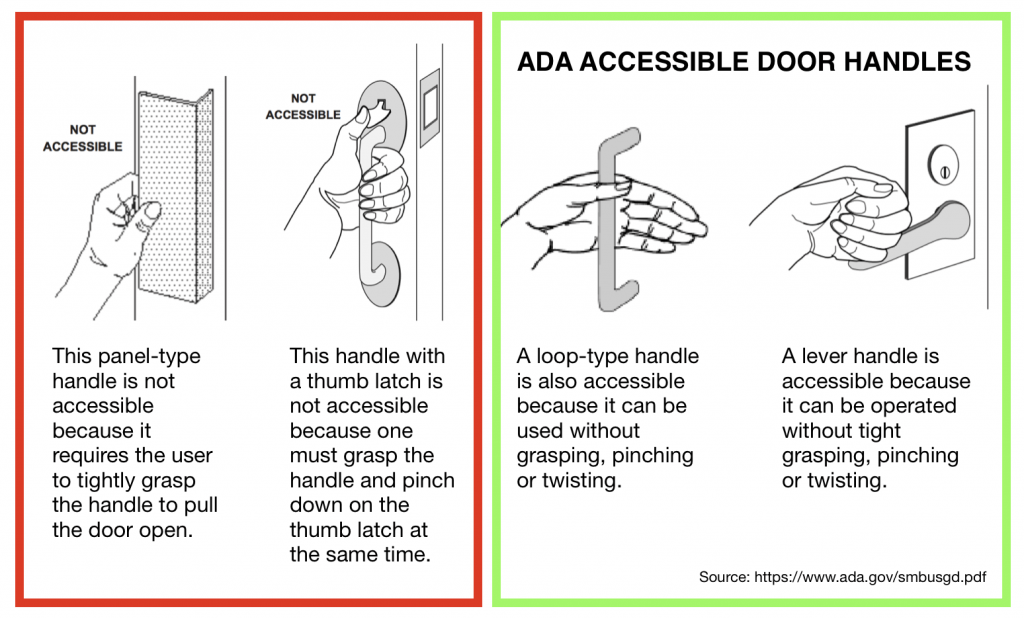
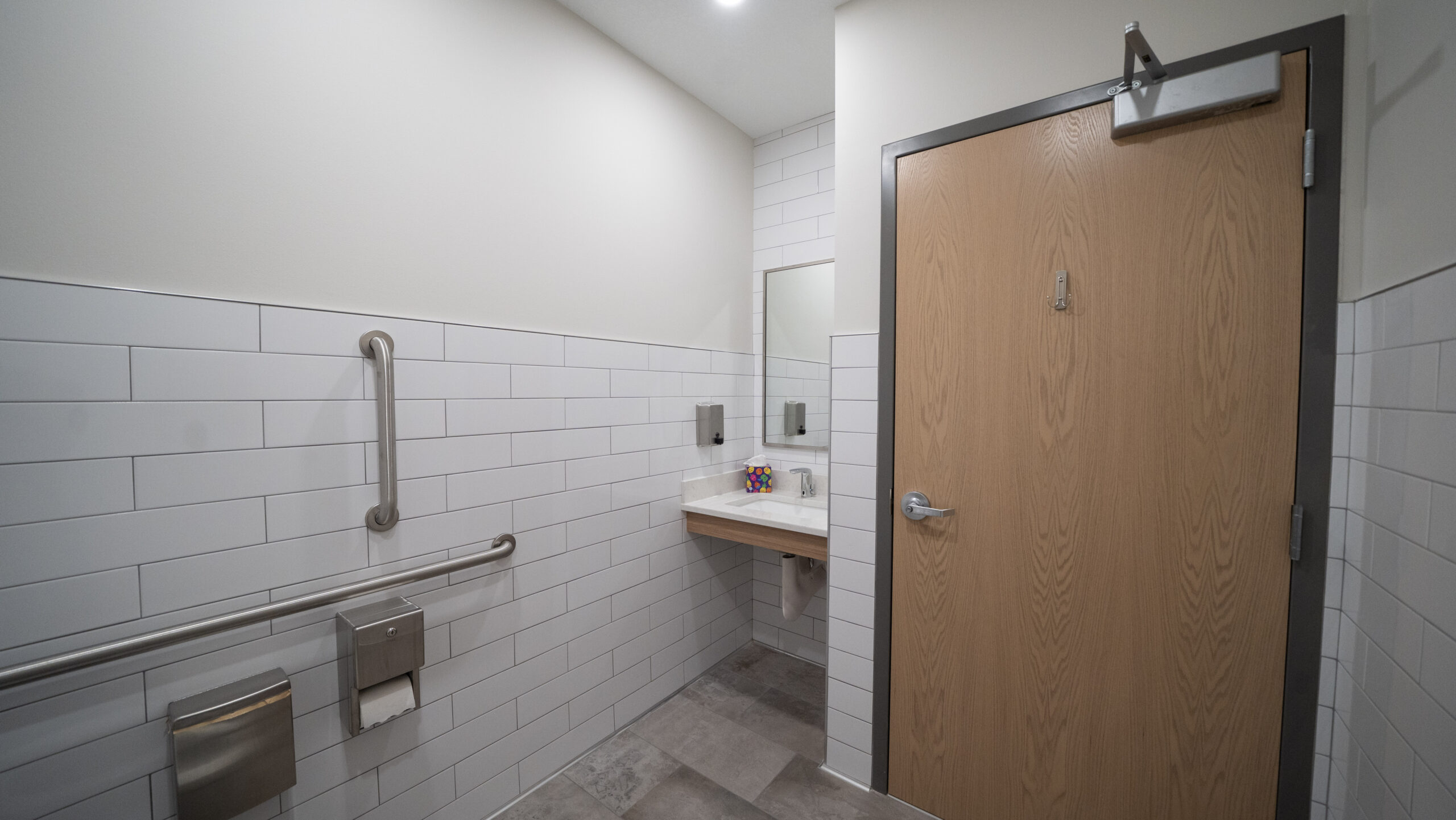
The ADA (Americans with Disabilities Act) requires that alterations—such as renovations and other changes that affect usability—made to commercial buildings and facilities must address accessibility. This means that when undertaking commercial remodeling projects throughout Minnesota, businesses must incorporate ADA construction standards into their plans. These requirements encompass accessible entrances and exits, parking spaces with clear signage, restrooms with accessible stalls and fixtures, wide pathways and hallways for wheelchair passage, and proper signage with Braille and visual communication aids.
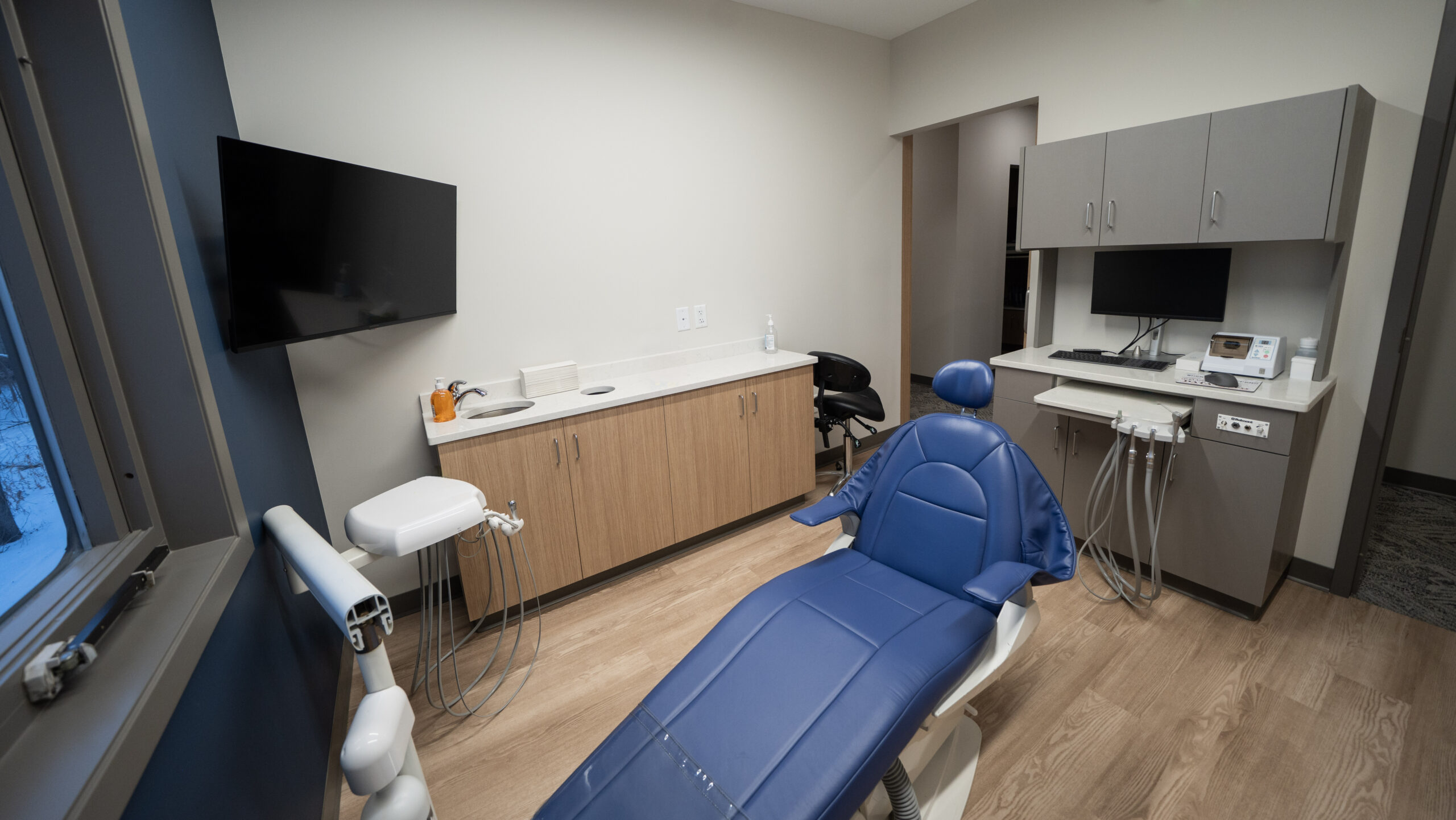
For healthcare-related commercial remodeling projects like dental clinics, medical offices, and veterinary facilities, ADA construction is particularly critical. Patients with disabilities must be able to access exam rooms, treatment areas, and medical equipment safely and independently—making accessibility not just a legal requirement, but a fundamental component of quality patient care.
Why ADA Construction Standards Support More Clients
Making your Minnesota facility ADA-compliant during commercial remodeling expands your customer base significantly. According to the CDC, 27% of adults in the United States have some type of disability. For healthcare facilities, this percentage is even higher—patients with mobility limitations, visual impairments, or other disabilities frequently need medical and dental care.
Accessible entrances influence how customers perceive your business, and non-compliant or difficult-to-navigate doorways can turn people away. For dental clinics and medical facilities, inaccessible spaces don’t just lose customers—they deny essential healthcare to those who need it most. Commercial remodeling that prioritizes ADA construction ensures all patients can receive care with dignity and independence.
Furthermore, people with disabilities and their families represent a global market of over $2.6 trillion in disposable income—if your facility isn’t accessible, you could be alienating a significant customer base and losing patients to ADA-compliant competitors.
The Serious Consequences of ADA Non-Compliance
Failing to incorporate ADA construction standards into your commercial remodeling project can result in severe consequences. A first violation for ADA non-compliance can carry a maximum civil penalty of up to $75,000, and subsequent violations can reach a maximum of $150,000. For healthcare facilities, these penalties are just the beginning.
The cost of defending against ADA-related lawsuits can be substantial, including attorney fees, court costs, and potential settlement payments, which can strain financial resources, particularly for small practices with limited budgets. More than 8,000 web and physical accessibility lawsuits were filed in 2024 alone—a 7% increase from 2023.
Beyond financial penalties, ADA non-compliance can damage brand trust, limit market reach, and create negative publicity that reflects poorly on the business, leading to potential loss of customers and reputational harm. For dental clinics and medical facilities in the Twin Cities and greater Minnesota, news of accessibility violations can spread quickly, causing lasting damage to your practice’s reputation and patient trust.
Integrating ADA Construction into Your Commercial Remodeling Project
Incorporating ADA standards into your commercial remodeling project from the beginning is far more cost-effective than retrofitting later. For commercial construction projects, ADA compliance should be integrated into the planning and design stages.
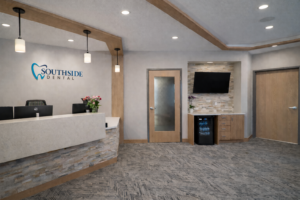
Key ADA construction requirements for healthcare-related commercial remodeling include entrances with minimum 32-inch clear door width, door thresholds not exceeding ½ inch if beveled, and accessible routes connecting to public ways. Additionally, exam rooms must accommodate wheelchair transfers, reception areas need accessible counters, and restrooms require grab bars and proper clearances.
Working with an experienced commercial remodeling contractor in the Twin Cities and greater Minnesota area who understands ADA construction requirements—especially for healthcare facilities—ensures proper compliance from day one.
The Bottom Line
At Randahl Construction, our 40+ years of experience in commercial remodeling throughout the Twin Cities and greater Minnesota includes comprehensive knowledge of ADA construction requirements for healthcare facilities and beyond. From dental clinics to medical offices throughout the metro, we integrate accessibility standards into every project, ensuring your facility is compliant, inclusive, and built to serve all patients. Contact us today to discuss your commercial remodeling project and learn how we can help you create an accessible healthcare space that protects your practice and welcomes all patients.