When it comes to commercial concrete projects, understanding the terminology can help business owners, facility managers, and project teams communicate more effectively and make informed decisions.
At Randahl Construction, we work with industrial and commercial clients across the Twin Cities metro, and part of our goal is to demystify the technical language of concrete construction.
Here’s a guide to some of the most common terms you’ll hear on a commercial concrete job site:
1. Expansion Joints
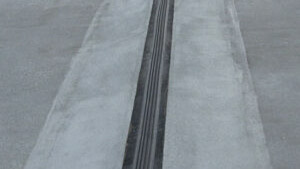
Expansion joints are gaps or spaces intentionally placed in concrete slabs to allow for natural movement caused by temperature changes, shrinkage, or heavy loads. They help prevent cracks and structural stress in large floor areas. High-density foam or flexible sealant is often used in these joints to absorb vibration and protect surrounding structures.
2. Control Joints
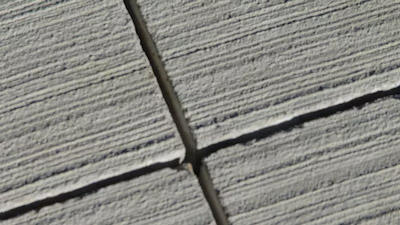
Control joints are shallow grooves cut into a concrete slab to direct where cracking occurs. Unlike expansion joints, which absorb movement, control joints guide cracks to occur in predictable locations, keeping your floor looking clean and professional. These strategic cuts create intentional weak points in the concrete, ensuring that natural stress-related cracking happens along planned lines rather than randomly across your surface. By controlling where cracks form, you maintain the structural integrity and aesthetic appeal of your concrete while accommodating the inevitable settling and minor movements that occur as the material cures and ages.
3. Rebar / Reinforcement
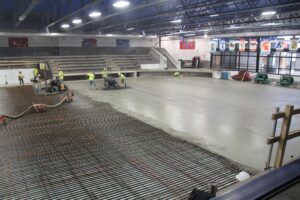
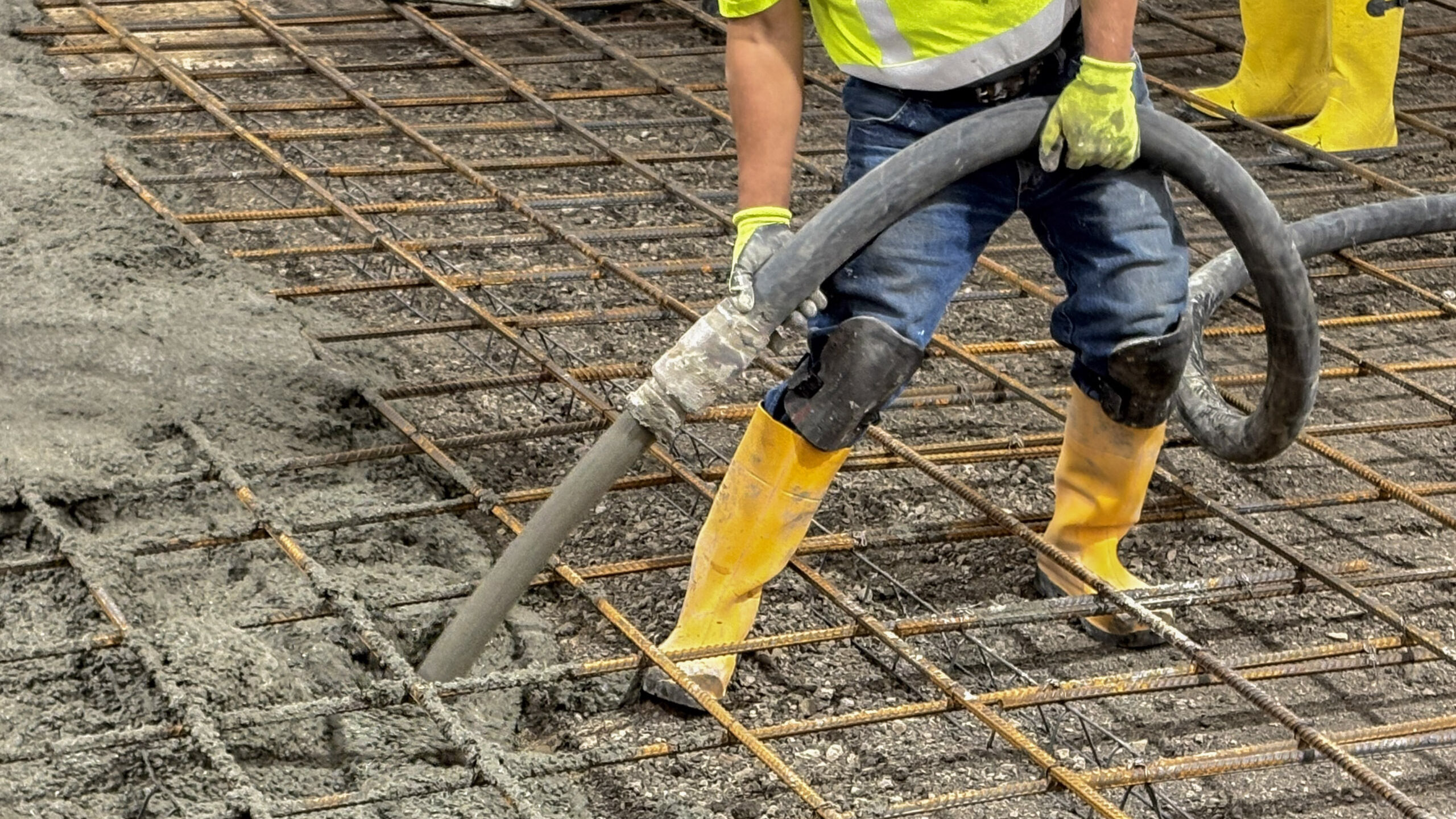
Rebar, or reinforcing steel, is embedded in concrete to increase its strength, especially under heavy loads. A dual-layer rebar grid or mesh is often used in commercial and industrial slabs to support machinery, warehouse traffic, or other high-stress applications. The steel reinforcement works by absorbing tensile forces that concrete alone cannot handle, preventing cracking and structural failure under pressure. Proper rebar placement, spacing, and sizing are critical factors that engineers calculate based on the expected load requirements, soil conditions, and the specific purpose of the concrete slab. This reinforcement significantly extends the lifespan of your concrete investment.
4. Slab Thickness
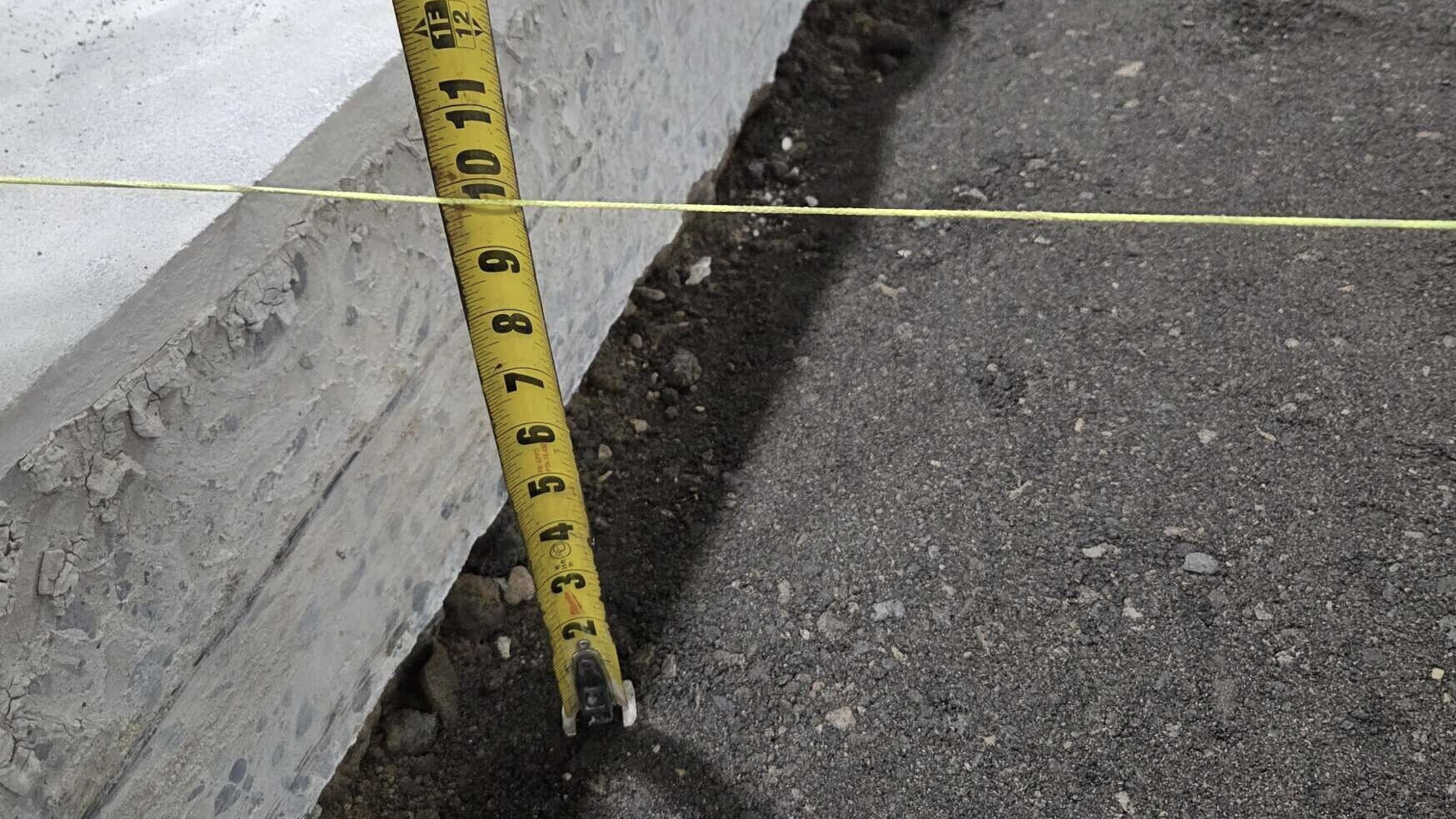
This refers to the vertical depth of a concrete floor. Common commercial slab thicknesses range from 6 inches to over 24 inches for heavily loaded machinery pads. Thickness is designed based on load requirements, equipment type, and subgrade conditions.
5. Subgrade and Aggregate Base
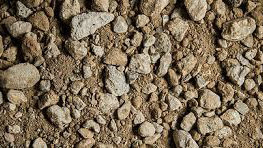
The subgrade is the soil or material beneath the concrete slab, which must be properly compacted and stable. On top of the subgrade, a layer of aggregate (often Class 5) is placed to provide additional support and drainage. A well-prepared subgrade prevents settling, cracking, and uneven floors.
6. Curing and Curing Compounds
Curing is the process of keeping freshly poured concrete moist so it can gain maximum strength. High-performance curing compounds are applied to accelerate or control hydration, ensuring durability and reducing surface cracking over time.
7. Forming
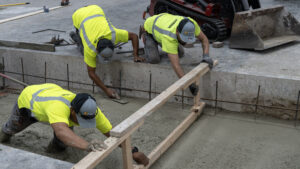
Forms are temporary molds used to shape concrete before it sets. They define the slab’s edges, depth, and layout. Proper forming ensures precise, square, and level concrete installation.
8. Anchor Grouting
After a slab has cured, anchor grouting is used to secure machinery or track systems into place. Precision grouting ensures stability and alignment for industrial equipment.
In Conclusion
At Randahl Construction, we combine technical expertise with practical solutions for all types of commercial and industrial concrete projects.
Understanding these common terms can help you plan better, communicate effectively, and ensure your concrete installations meet your facility’s needs for strength, durability, and performance.
If you’re considering a commercial concrete project—whether it’s a warehouse slab, machinery pad, or full-floor renovation—our self-performing team can handle every phase, from site prep and demolition to pouring, finishing, and post-installation inspection.
Contact Randahl Construction today to learn how we can provide long-lasting, precision-engineered concrete solutions for your facility.