Concrete Foundations, Industrial Pads, and Commercial Concrete Pits
Concrete Foundations
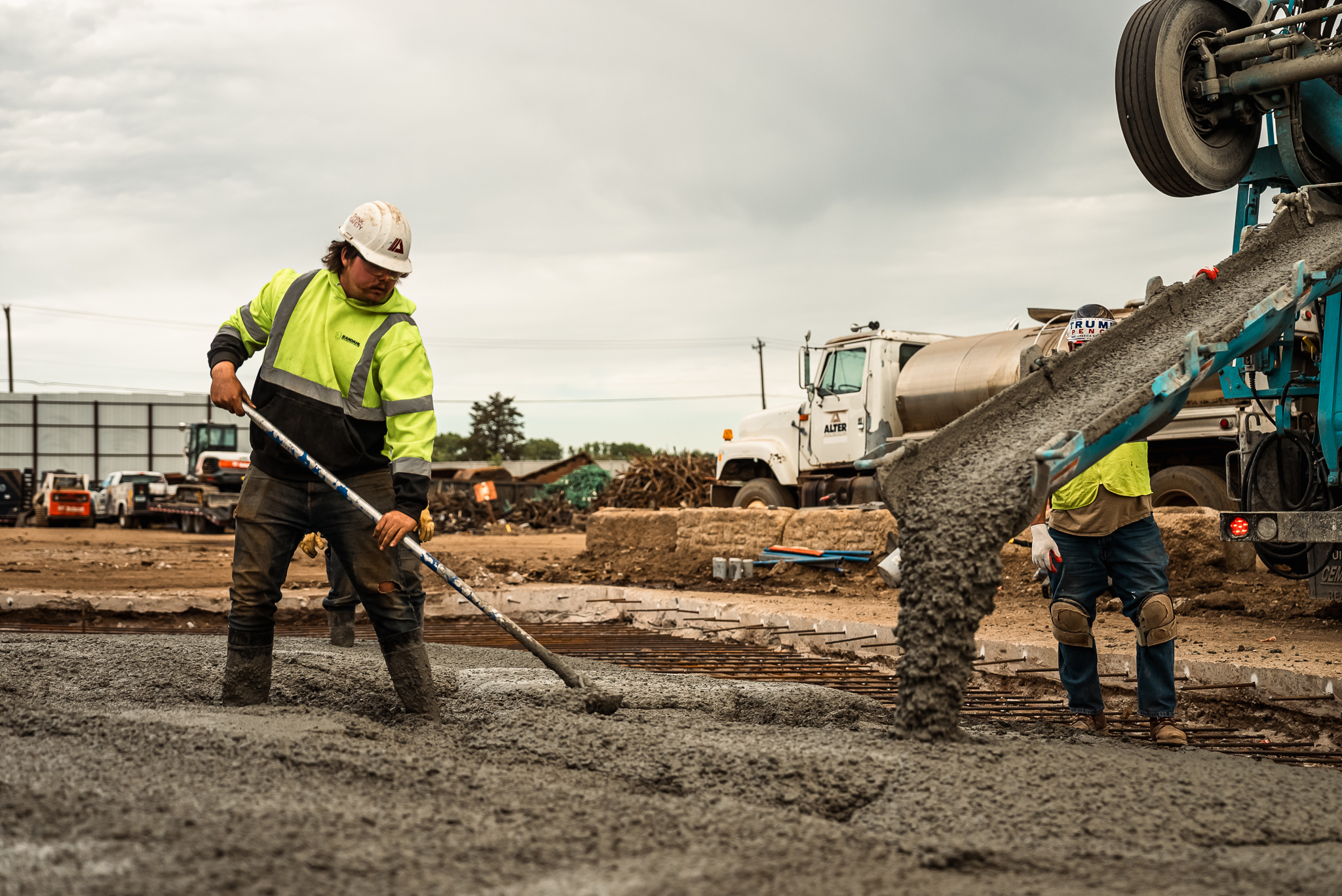
At Randahl Construction, we pour commercial and industrial foundations that stand the test of time. Engineered for stability, load-bearing strength, and long-term performance, our foundations are reinforced to meet structural specs and soil conditions. Whether you’re building an addition, supporting new machinery, or preparing for vertical expansion, we ensure a solid start — with no shortcuts and no surprises.
Concrete Equipment Pads
Randahl Construction pours precision concrete equipment pads that match your equipment’s exact footprint. From forming and reinforcement to trowel finishing and curing, we deliver durable, level surfaces engineered for industrial use. Whether you’re upgrading production lines or installing new machinery, our pads are engineered to handle the load and integrate seamlessly with your facility.

Commercial Concrete Pits
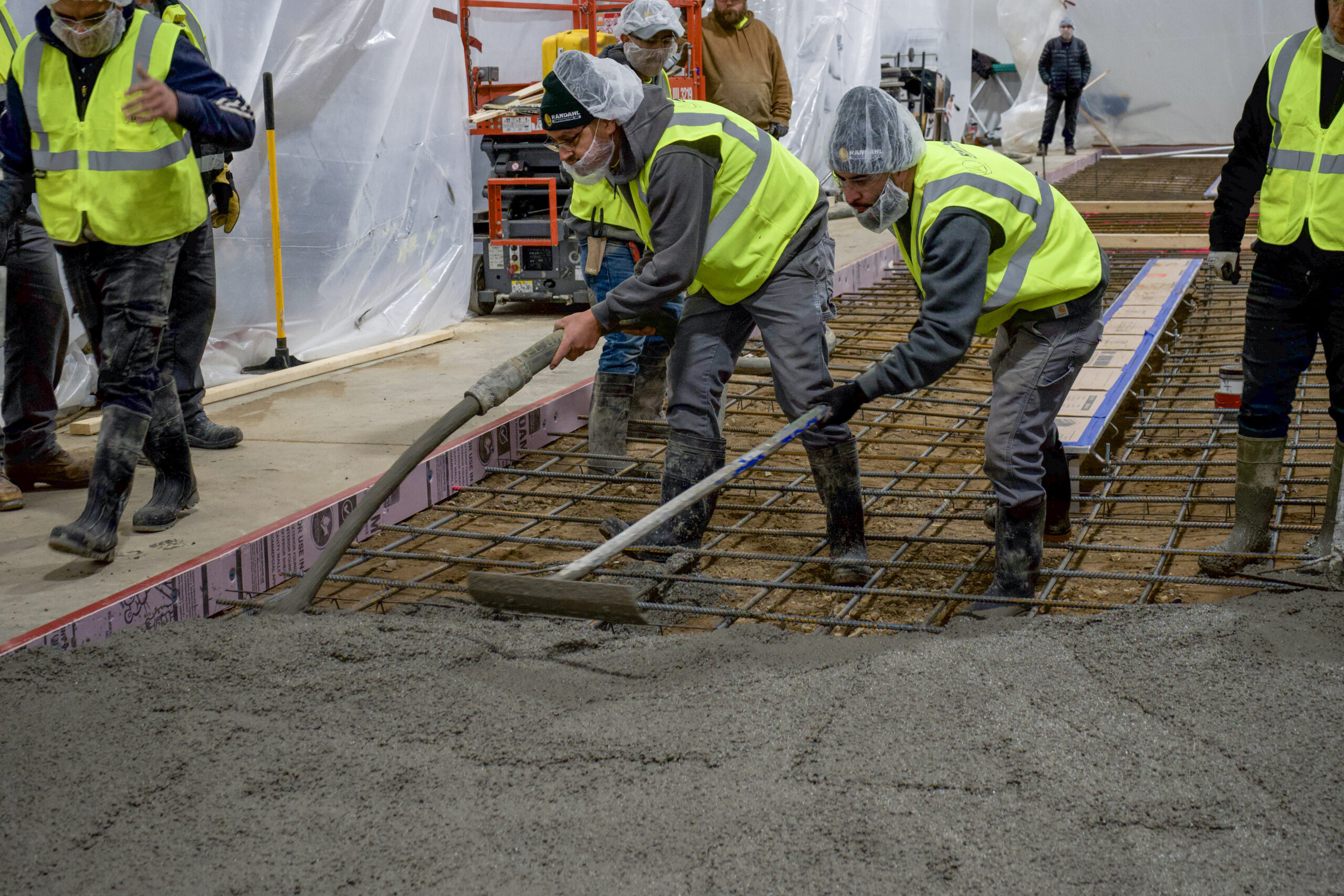
Our concrete pits are designed for strength, safety, and seamless integration. We excavate and form each pit to precise specifications, coordinating with your mechanical and electrical teams to ensure a perfect fit for your equipment. If you need a below-grade commercial concrete pit, Randahl delivers fully reinforced, long-lasting solutions that support operations from the ground up.
Frequently Asked Questions
1. What is the difference between a concrete foundation, equipment pad, and concrete pit?
A concrete foundation transfers the weight of a building or structure into the ground. An equipment pad provides a stable, level base for machinery or mechanical and electrical equipment. A concrete pit is a below-grade structure that provides space, support, containment, or access around equipment and utilities.
Although these structures serve different purposes, each must be built according to the applicable loads, dimensions, elevations, reinforcement requirements, and site conditions.
2. What types of equipment can be supported by an industrial concrete pad or foundation?
Industrial concrete pads and foundations can support production machinery, presses, generators, transformers, chillers, compressors, pumps, tanks, conveyors, processing equipment, and other heavy mechanical or electrical systems.
The appropriate design depends on the equipment’s operating weight, footprint, vibration, anchor locations, required elevation, and manufacturer specifications.
3. What factors determine how a foundation, pad, or pit should be constructed?
Important factors include equipment or structural loads, soil and subgrade conditions, concrete strength, reinforcement, vibration, drainage, anchor-bolt locations, embedded components, access, and required tolerances. For work inside an existing facility, surrounding slabs, utilities, production areas, and equipment installation schedules must also be considered.
Randahl Construction reviews the applicable plans and specifications and coordinates the construction details before work begins.
4. Does a structural engineer need to design the foundation, pad, or pit?
Many commercial and industrial foundations, equipment pads, and concrete pits require plans prepared or approved by a licensed structural engineer. Engineering may be necessary to determine dimensions, concrete strength, reinforcement, load capacity, vibration isolation, and other structural requirements.
Randahl Construction works with the project’s engineers, equipment manufacturers, and other contractors to build according to the approved plans and specifications.
5. How much does a commercial concrete foundation, equipment pad, or pit cost?
Cost depends on the size and depth of the structure, reinforcement, concrete specifications, excavation, demolition, access, soil conditions, embedded steel, anchor bolts, utility coordination, and required tolerances. Work performed inside an active facility may also require containment, phased scheduling, or specialized equipment.
A site visit and review of the available drawings and equipment information allow Randahl Construction to define the scope and prepare accurate pricing
6. What information is needed to prepare an estimate?
Helpful information includes structural drawings, equipment specifications, operating weights, dimensions, anchor-bolt layouts, required elevations, reinforcement details, soil information, utility locations, site photographs, access limitations, and the desired completion date.
If all of that information is not yet available, Randahl Construction can review the site and help identify what will be needed before the work is priced and scheduled.
7. How long does it take to construct a concrete foundation, pad, or pit?
The construction schedule depends on the size and complexity of the project, site access, demolition and excavation requirements, reinforcement, inspections, weather, concrete placement, and curing requirements. A small equipment pad may require only several working days, while a large foundation or below-grade pit can take considerably longer.
The date when construction is completed may also differ from the date when the concrete has developed enough strength to support the equipment or structure. Randahl Construction establishes the schedule around the project requirements and required curing time.
8. Can concrete pads, pits, and foundations be constructed inside an operating facility?
Yes. These structures are frequently installed as part of equipment upgrades, production changes, and facility expansions. Interior work may require sawcutting, selective demolition, excavation, material handling, dust containment, utility coordination, and carefully planned access.
Randahl Construction plans the work around employees, equipment, production, and daily operations to help minimize unnecessary disruption.
9. Can Randahl coordinate with our equipment installer and other contractors?
Yes. Equipment pads, pits, and foundations often require coordination with equipment manufacturers, riggers, structural engineers, electricians, plumbers, mechanical contractors, and facility personnel.
Confirming dimensions, elevations, openings, embeds, anchor locations, and installation dates before the concrete is placed helps prevent conflicts and keeps the overall project moving.
10. What is involved in constructing a commercial foundation, equipment pad, or concrete pit?
The process may include layout, sawcutting and demolition, excavation, subgrade preparation, forming, reinforcement, installation of embeds or anchor bolts, concrete placement, finishing, curing, verification, and cleanup. Pits may also require shoring, waterproofing, drainage, utility penetrations, or multiple concrete placements.
The exact process is determined by the approved plans, existing conditions, operational requirements, and intended use of the completed structure.