Commercial Remodeling & Tenant Improvements
Expert Commercial Remodeling & Tenant Improvement Services
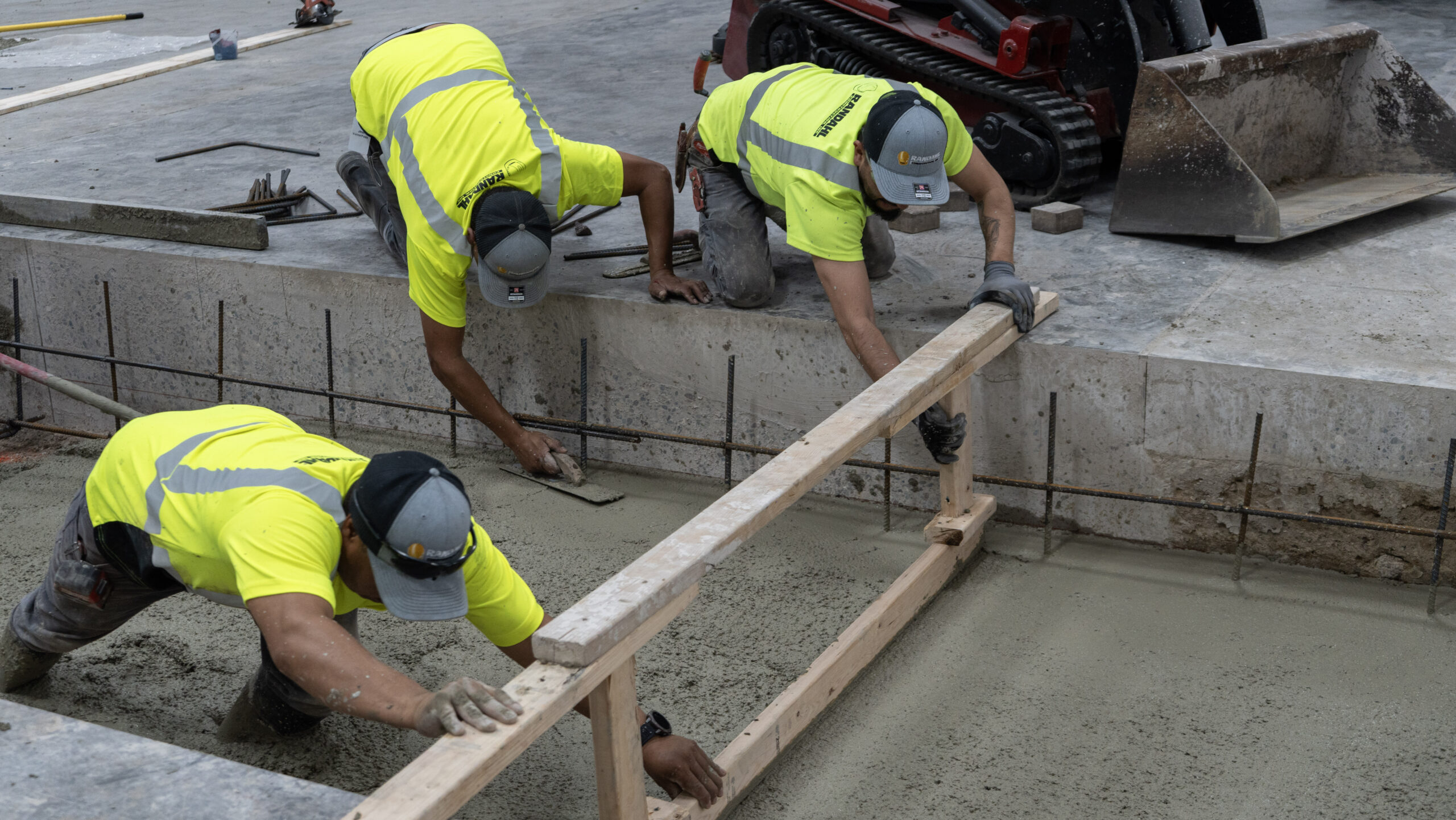
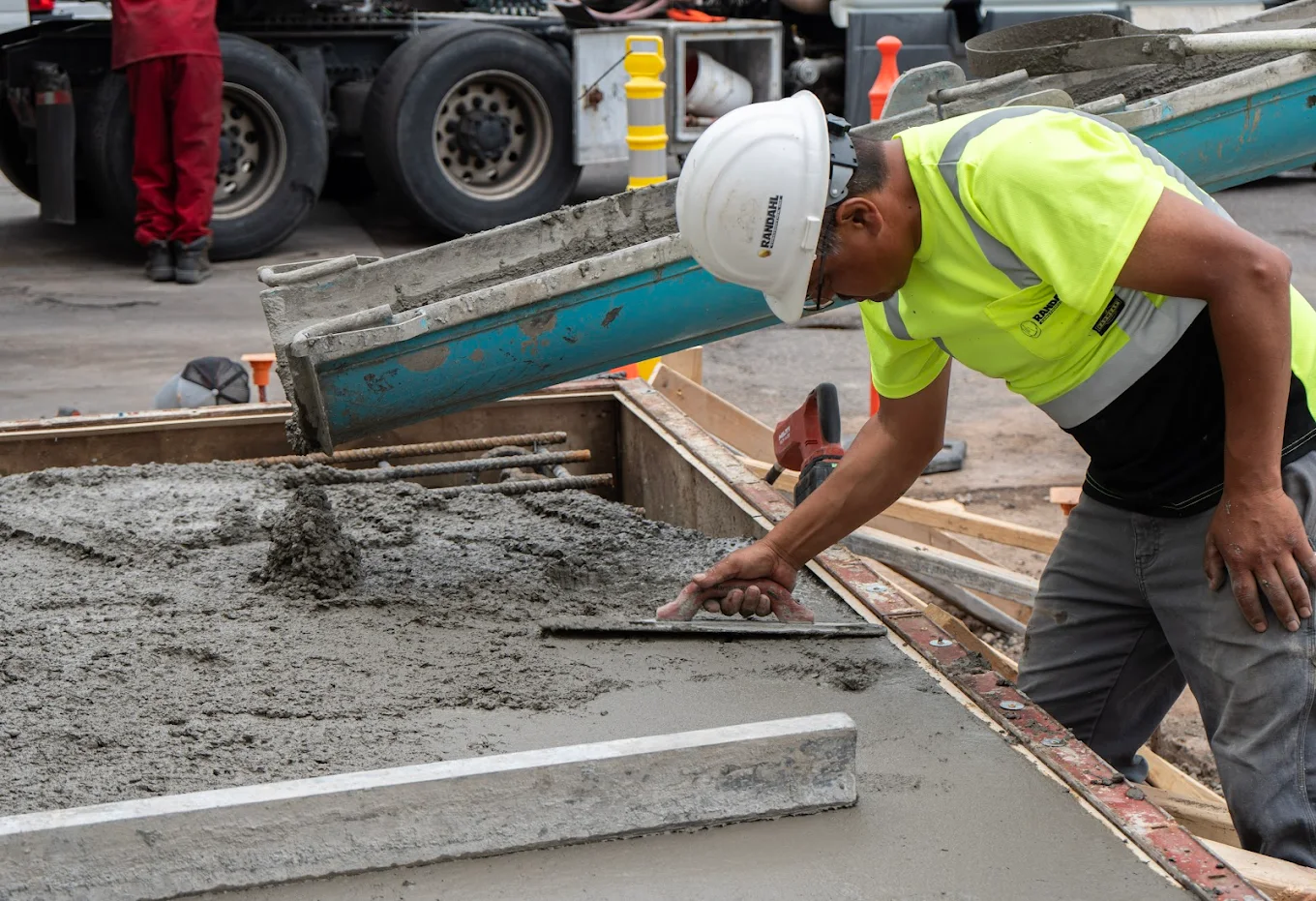
Randahl Construction delivers commercial remodeling solutions that minimize disruption and maximize results. As a self-performing general contractor serving the Twin Cities and greater Minnesota, we handle every aspect of your project—from initial planning through final inspection. With 40+ years of experience transforming commercial spaces across diverse industries including retail, office, medical, dental, and veterinary clinics, industrial and manufacturing facilities, salons, banks, and warehouses, our in-house craftsmen bring unmatched quality control and accountability to every square foot of a project. We don’t just renovate buildings; we create functional environments that support your business goals and adapt to your evolving needs.
Our Commercial Remodeling Specialties
Tenant Improvements
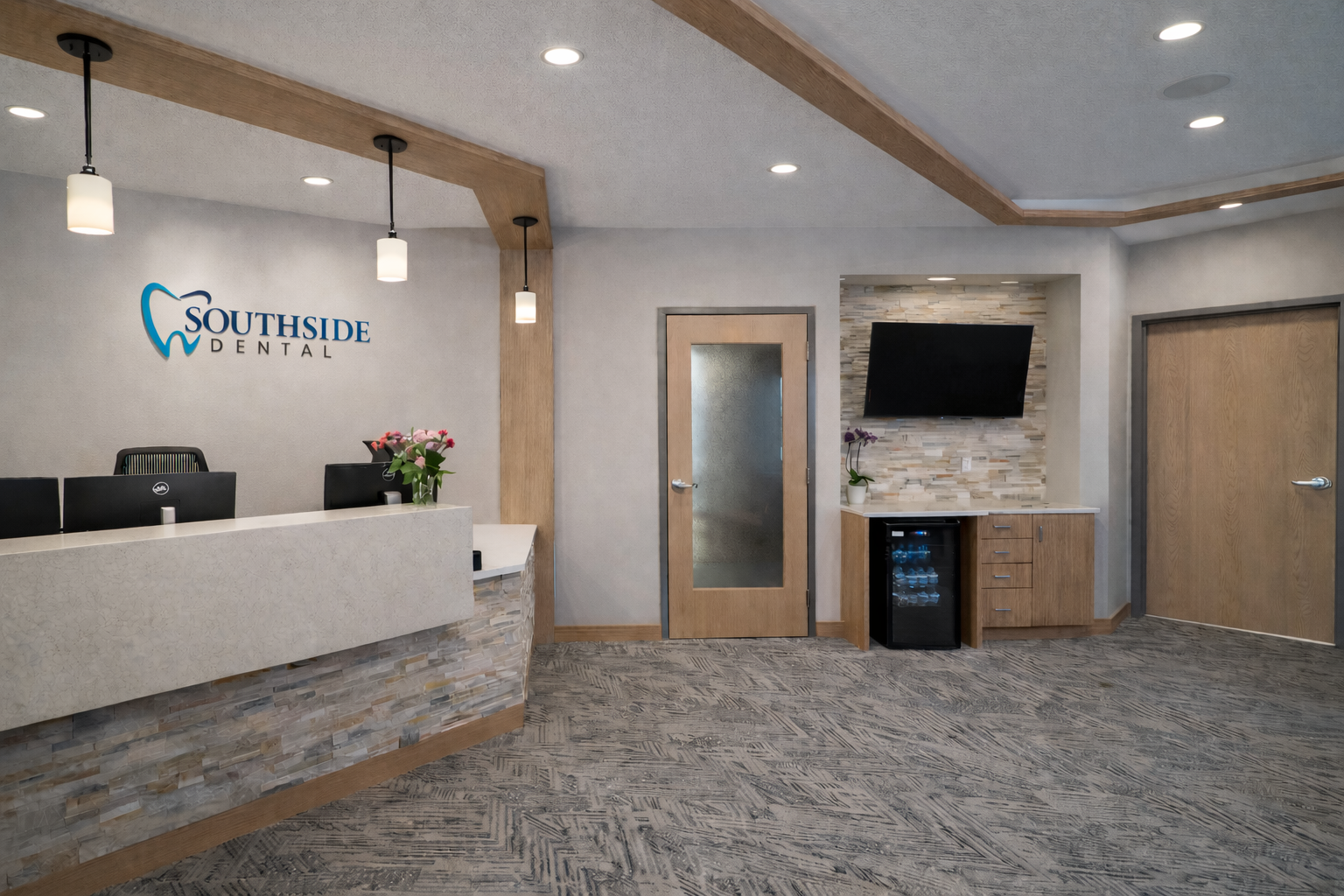
Growing businesses need spaces that work as hard as they do. Our Tenant Improvement services transform existing commercial spaces into customized environments that support your operations, culture, and growth goals. Whether you’re relocating to a new lease space or upgrading your current facility, we deliver turnkey solutions that get you operational quickly.
Retail Build-Outs
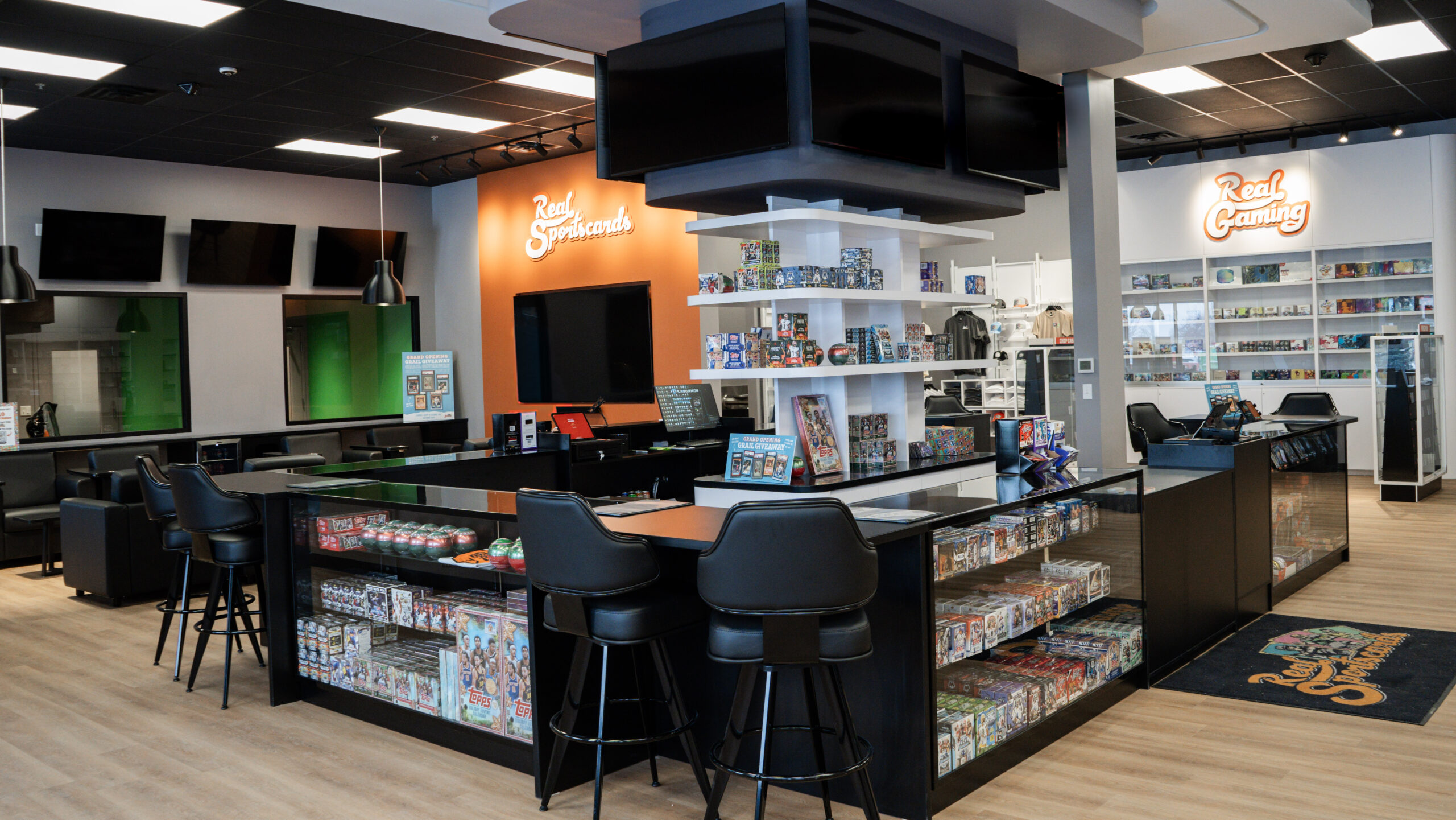
Our Retail Build-Out services create inviting, functional spaces that enhance customer experience and support your brand identity. From boutique shops to large-format retail spaces, we understand the unique demands of retail construction—including tight timelines, after-hours work, and the need to maintain business continuity.
Building Additions
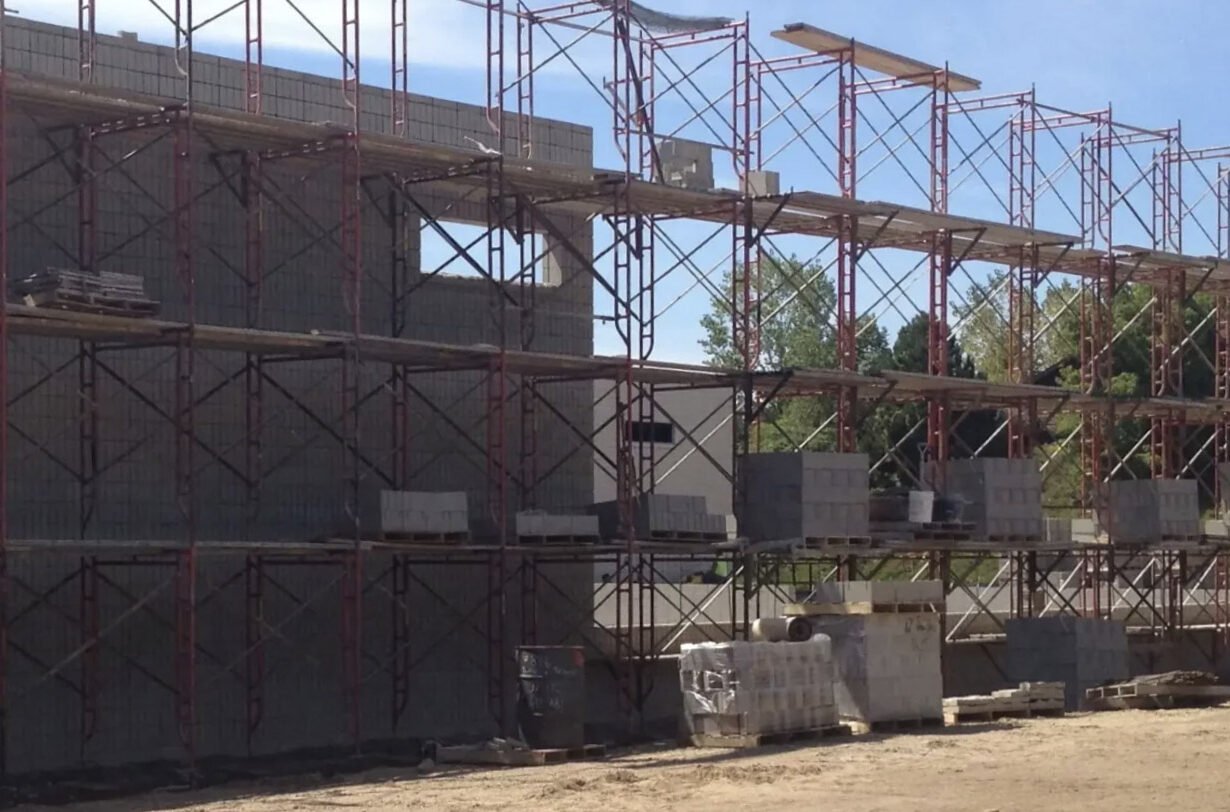
Our Commercial Building Additions seamlessly integrate new construction with existing structures, providing the additional space you need without the cost and disruption of relocation.
Why Choose Us?
Our Process

1. Discovery & Planning
We assess your site, understand your business objectives, and identify opportunities while establishing clear budget parameters.

2. Design Collaboration
Working with your architect or providing design-build services, we develop practical solutions that balance aesthetics, functionality, and cost.

3. Transparent Project Management
Our self-performing approach means you work directly with our team doing the work—ensuring better quality control, faster timelines, and clear communication.

4. Minimal Disruption Construction
We plan meticulously to minimize impact on your operations and keep your business running smoothly throughout construction.
Frequently Asked Questions
1. What is a Commercial Tenant Improvement?

A Commercial Tenant Improvement (TI) is the construction work completed to customize an existing commercial space for a tenant’s specific operational needs. Tenant improvements may include new offices, conference rooms, medical exam rooms, retail layouts, flooring, ceilings, lighting, HVAC modifications, plumbing, electrical upgrades, and ADA improvements. The goal is to transform an empty or outdated space into one that supports the tenant’s business while complying with local building codes.
2. What is the difference between commercial remodeling and tenant improvements?
Commercial remodeling generally refers to renovating or updating an existing commercial building, whether it is occupied by the owner or multiple tenants. Tenant improvements specifically involve customizing leased commercial space for a new or existing tenant. While both involve construction, tenant improvements are typically completed as part of a lease agreement, whereas remodeling projects may focus on modernization, expansion, or improving building functionality.
3. How long does a commercial tenant improvement project take?
The timeline depends on the project’s size, complexity, permitting requirements, and material availability. Smaller office remodels may take several weeks, while larger medical, industrial, or retail renovations can take several months. A qualified commercial contractor develops a detailed construction schedule that coordinates design, permitting, inspections, subcontractors, and material deliveries to minimize delays and keep the project moving efficiently.
4. Can commercial remodeling be completed while a business remains open?
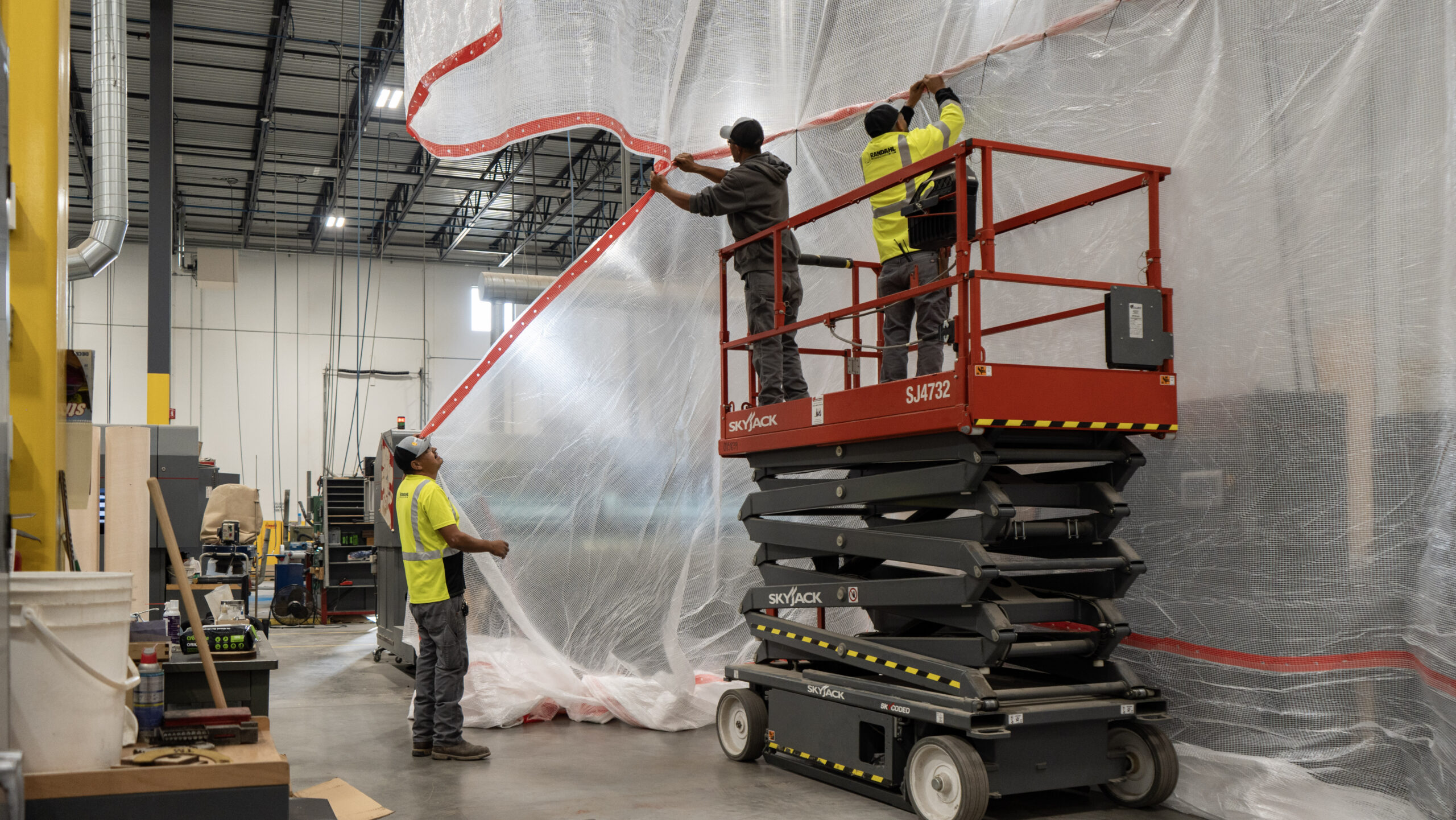
Yes. Many commercial remodeling projects are completed while businesses continue normal operations. Contractors often phase construction, schedule noisy work before or after business hours, isolate work areas with dust barriers, and coordinate closely with building management to reduce disruptions. Proper planning helps maintain safety while allowing employees and customers to continue using unaffected portions of the building.
5. What types of businesses benefit from tenant improvements?
Tenant improvements are common across many industries, including:
- Medical and dental clinics
- Veterinary hospitals
- Office buildings
- Retail stores
- Restaurants
- Manufacturing facilities
- Warehouses
- Educational facilities
- Financial institutions
- Fitness centers
Every industry has unique operational requirements, making customized commercial construction an important investment.
6. What should I look for when hiring a commercial remodeling contractor?
Look for a contractor with experience managing commercial construction projects similar to yours. Important qualifications include:
- Experience with occupied renovations
- Knowledge of local building codes
- Strong project management systems
- Self-performing construction capabilities when possible
- Clear communication
- Proven safety record
- Commercial references
- Ability to coordinate architects, engineers, and subcontractors
Choosing an experienced contractor helps reduce project delays, unexpected costs, and construction disruptions.
7. Do commercial remodeling projects require permits?
Most commercial remodeling and tenant improvement projects require permits. Depending on the scope, permits may be needed for structural modifications, electrical work, plumbing, HVAC, fire protection systems, accessibility improvements, or occupancy changes. Your commercial contractor typically coordinates permit applications, inspections, and code compliance with the local building authority before construction begins.
8. How can tenant improvements increase the value of a commercial property?
Well-designed tenant improvements can increase property value by improving functionality, attracting quality tenants, extending the life of the building, enhancing energy efficiency, and modernizing outdated spaces. Updated commercial properties often lease more quickly and command higher rental rates because they better meet today’s tenant expectations.
9. What industries require specialized commercial remodeling experience?
Certain industries have strict construction requirements due to regulations and operational needs. These include:
- Healthcare and medical facilities
- Dental offices
- Veterinary clinics
- Industrial manufacturing
- Laboratories
- Food processing facilities
- Financial institutions
- Schools
- Government buildings
These projects often involve specialized mechanical systems, infection control measures, ADA compliance, and coordination with inspectors and regulatory agencies.
10. How do I prepare for a commercial remodeling project?
Successful projects begin with careful planning. Before construction starts, it’s helpful to define your business goals, establish a budget, identify project priorities, gather existing building information, and involve key decision-makers early in the process. Working with an experienced commercial contractor during preconstruction helps identify potential challenges, develop realistic schedules, and create a construction plan that minimizes disruptions while delivering a finished space that supports your long-term business objectives.
Other Commercial Remodeling Services
View Our Blog
Ready for a Free Site Visit?
Trusted by