

Minnesota Commercial Concrete Services
Concrete Foundations
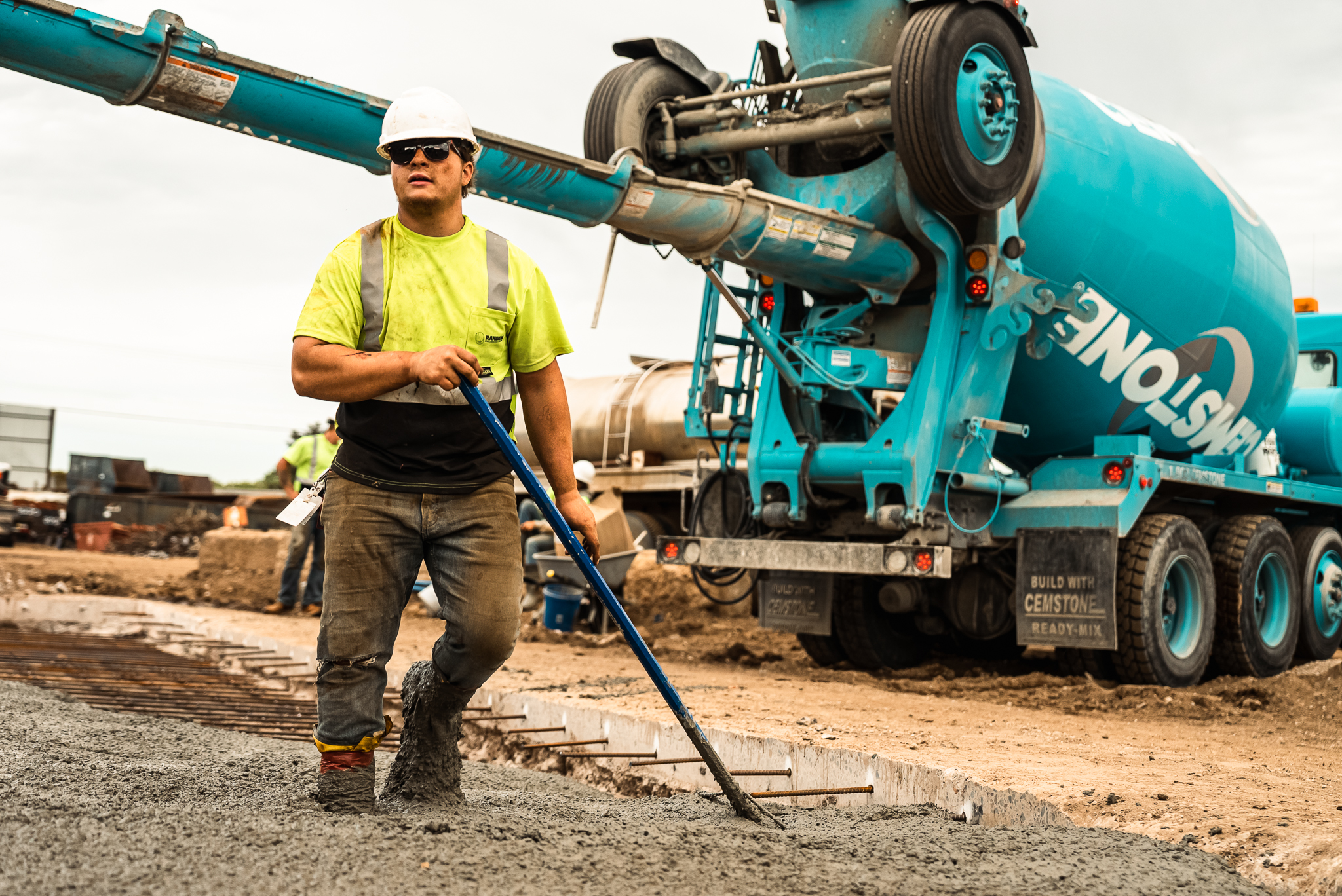
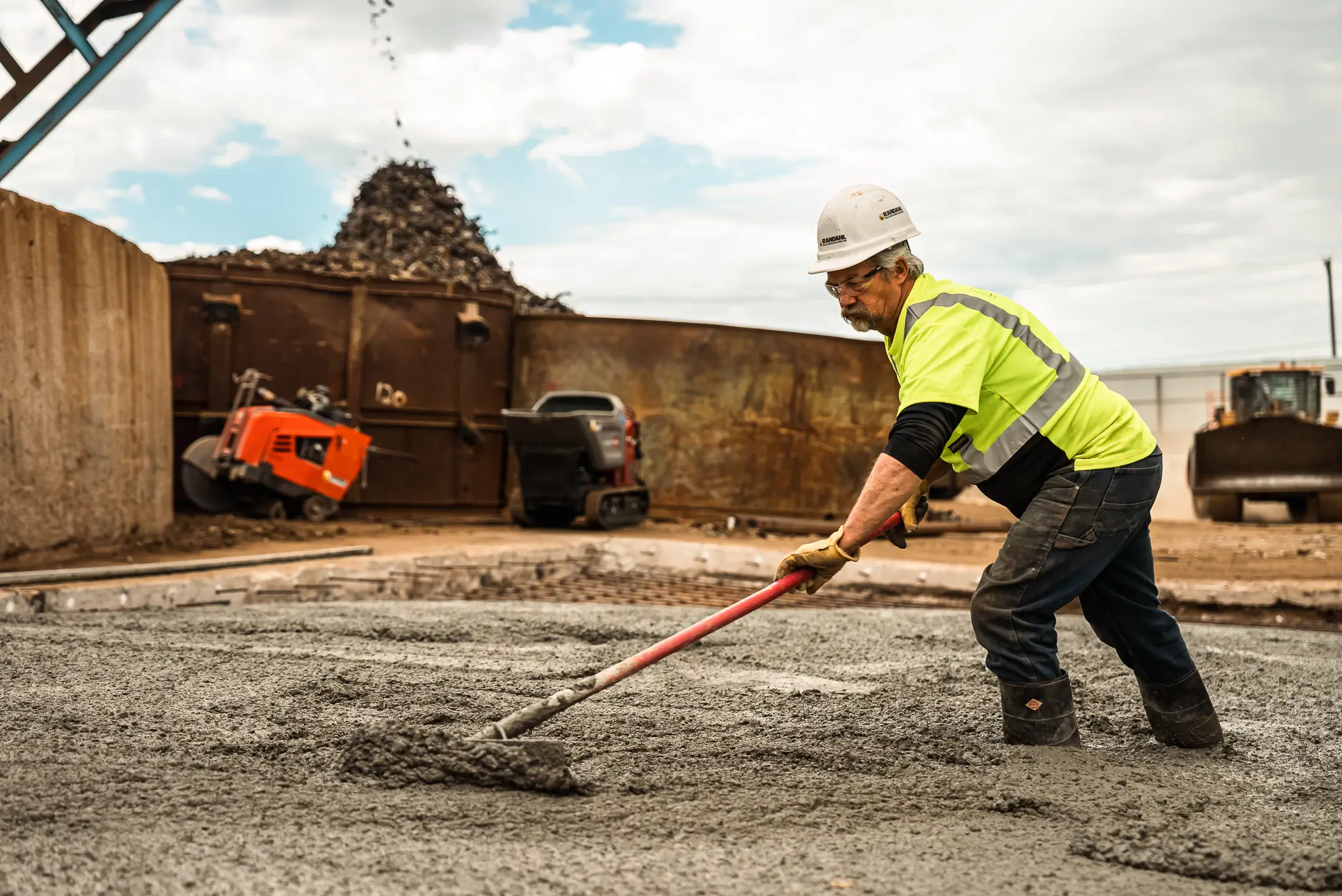
From machine pits to parking lots, every pour we make is backed by 40+ years of experience in commercial concrete. Randahl Construction delivers concrete work that’s fast, flat, and built to handle the pressure — whether it’s 100,000 pounds of machinery or a Minnesota winter.
Why It Matters
You don’t just need concrete. You need a team that understands how concrete impacts operations. We work efficiently in active facilities, hitting specs the first time to prevent costly redos. Our knowledge of elevation, flow, and structural integrity saves you days on the schedule and thousands on repairs.
Built Around the Way You Work
At Randahl Construction, we’ve been delivering expert commercial concrete services in Minnesota for over 40 years. From foundations and flatwork to loading docks, curbs, sidewalks, and structural slabs, our team self-performs every concrete project with precision, safety, and efficiency.
As a family-owned company based in Corcoran, MN, we take pride in building lasting relationships with businesses throughout the Twin Cities and greater Minnesota area. Whether you’re renovating a facility or starting a new build, our concrete division provides the dependable workmanship you need to keep your project on track.
Concrete That Lasts. Crews That Move Fast.
When schedules are tight and quality matters, Randahl Construction delivers. Our experienced crews self-perform commercial concrete work with a focus on productivity, jobsite safety, and attention to detail. Whether it’s a new facility, site improvements, or an expansion project, we bring the manpower and expertise needed to get the job done right.
Based in Corcoran, Minnesota, we serve businesses throughout the Twin Cities and beyond with durable concrete solutions built to withstand heavy use and Minnesota’s demanding climate. From the first pour to final completion, we’re committed to delivering results that stand the test of time.
View Our Minnesota Concrete Contractor Solutions
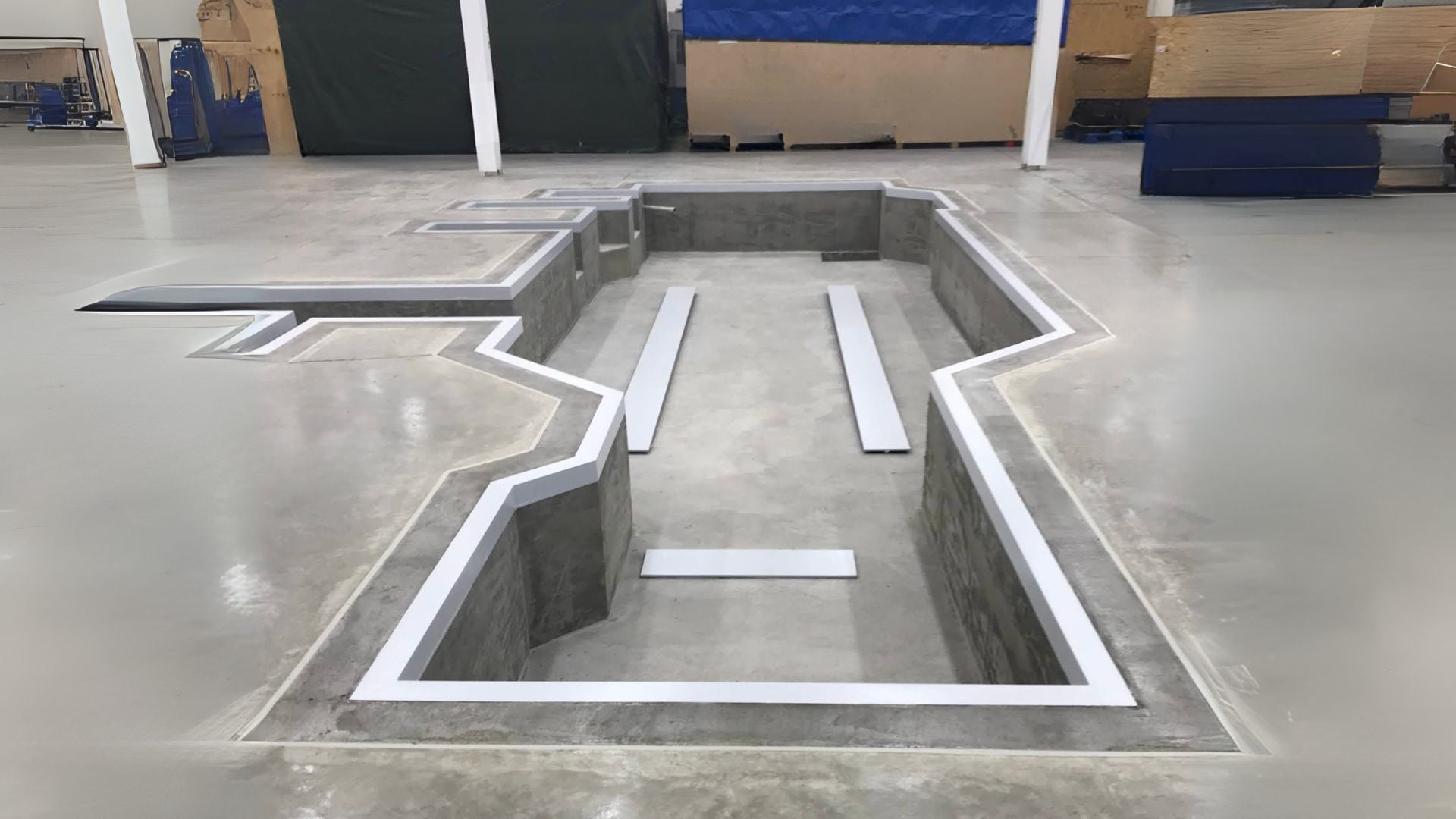
Foundations, Industrial Pads, and Commercial Concrete Pits
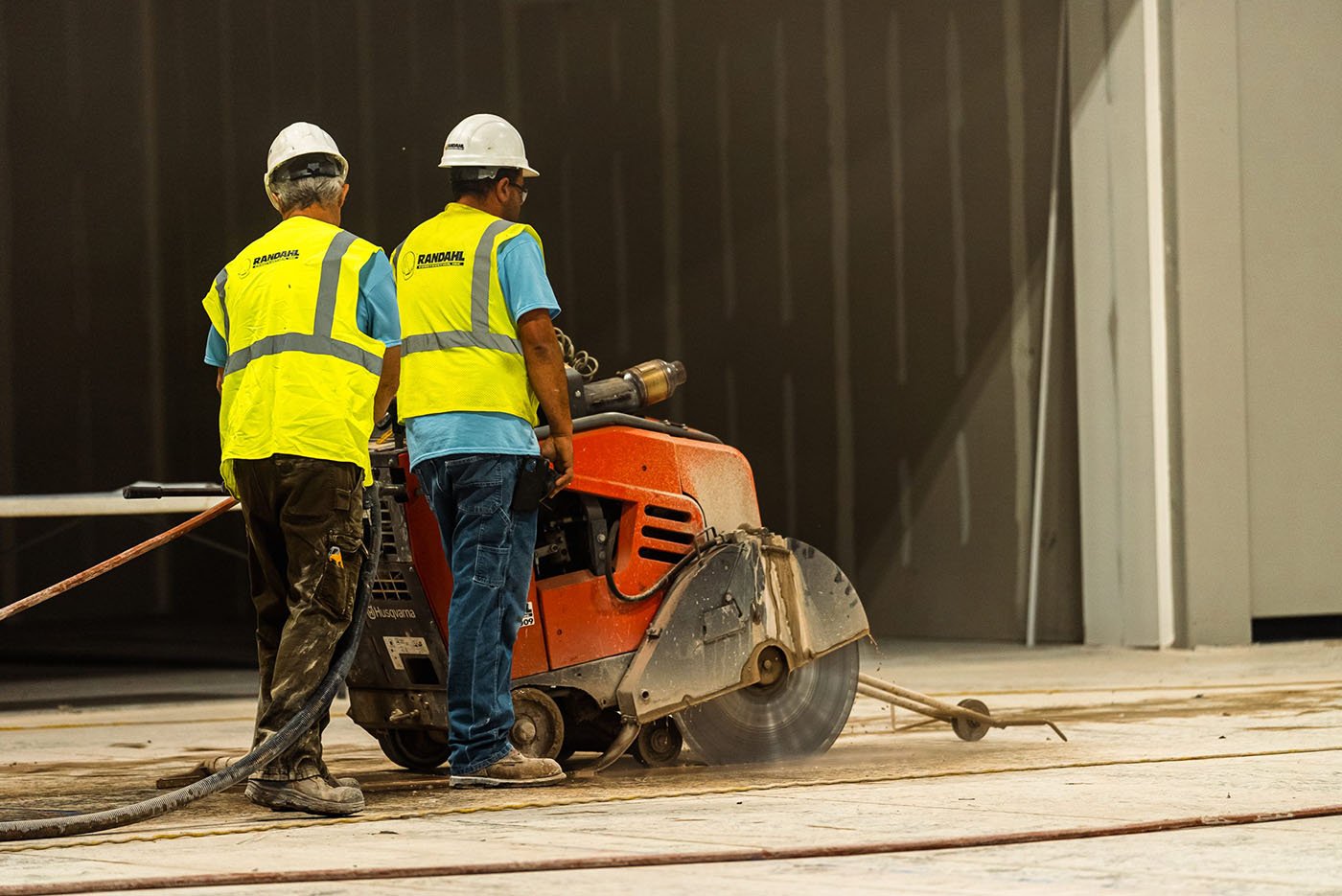
Demolition, Concrete Cutting and Coring
Concrete Repair and Replacement
Commercial Sidewalks and Parking Lots
View Our Blog
Ready for a Free Site Visit?
What Customers Say About Working With Randahl Construction
Frequently Asked Questions
1. What's the difference between commercial and residential concrete?
Commercial concrete is engineered for higher loads, larger pours, and stricter code compliance, often using thicker slabs, higher PSI mixes, and reinforced rebar or wire mesh that residential driveways typically don’t require. Commercial projects also involve more rigorous site prep, permitting, and inspection processes since they’re built for things like vehicle traffic, heavy equipment, or industrial use.
2. How thick should a commercial concrete slab be?
It depends entirely on what the slab needs to support — a 4-inch slab is often the minimum standard for small offices, retail storefronts, and restaurants, while increasing to 6 inches provides a substantial durability boost for spaces receiving heavy deliveries or equipment. Parking facilities and warehouse floors with forklift traffic typically need 6 to 8+ inches with reinforcement, and a structural engineer should confirm the spec based on load requirements and soil conditions.
3. How long does it take for commercial concrete to cure?
Concrete reaches enough strength for light use within a couple days but needs the full curing window before it’s ready for heavy loads — concrete typically sets within 24 to 48 hours, but complete curing takes around 28 days, during which it continues to gain strength and durability. Project managers planning around occupancy or equipment move-in dates should build this timeline into scheduling from the start.
4. Do I need a permit for a commercial concrete project?
Yes, almost all commercial concrete work requires a permit, since it falls under commercial building codes that govern slab thickness, drainage, reinforcement, and ADA compliance for things like parking lots and walkways. A licensed contractor typically handles the permitting process as part of the project scope, so it’s worth confirming this is included before signing a contract.
5. How do I choose the right commercial concrete contractor?
Look for a contractor with commercial-specific licensing, insurance, and a portfolio of similar projects (not just residential work), since commercial jobs involve different codes, equipment, and load requirements. Ask about their experience with your project type — parking structures, warehouse floors, foundations — and request references from recent commercial clients to verify reliability and quality.
6. What types of commercial concrete work are most common?
Common commercial concrete services include:
- Concrete foundations
- Structural equipment pads
- Warehouse and industrial slabs
- Sidewalks and curbs
- Parking lots and drive lanes
- Loading docks and ramps
- Concrete repair and replacement
- Concrete cutting and removal
- Exterior flatwork
- Reinforced concrete for heavy equipment
Each application is engineered based on load requirements and site conditions.
7. What is an equipment pad in commercial concrete construction?
An equipment pad is a reinforced concrete foundation designed to support heavy machinery such as HVAC units, industrial equipment, generators, or manufacturing systems. These pads are engineered for load distribution, vibration control, and long-term structural stability. They can be found inside or outside of most commercial buildings
8. What is involved in commercial concrete slab installation?
Concrete slab installation includes site preparation, grading, subgrade compaction, forming, reinforcement (rebar or mesh), concrete placement, finishing, joint cutting, and curing. In commercial applications, slabs are often thicker and reinforced to support forklifts, machinery, or heavy storage loads.
9. Can commercial concrete be repaired instead of replaced?
Yes. Many commercial concrete surfaces can be repaired depending on the extent of the damage. Common repair methods include crack filling, patching, resurfacing, joint repair, and partial slab replacement. In cases of severe structural failure, full replacement may be required.
10. What causes commercial concrete to crack or fail?
Common causes include subgrade settlement, freeze-thaw cycles, heavy load stress, improper installation, lack of reinforcement, poor drainage, and long-term wear. Proper design, installation, and maintenance help extend the lifespan of commercial concrete surfaces.
Trusted by